







TriboNet Weekly: Global Tribology, Lubrication & Surface Engineering Intelligence July 20 – 25, 2026
Executive Summary
The week of 20–25 July 2026 was defined by three dominant themes across the tribology ecosystem:
- Surface engineering moved to the centre of manufacturing strategy, with coatings, laser texturing, and duplex treatments increasingly adopted to reduce wear and energy consumption.
- Predictive lubrication and AI-assisted condition monitoring accelerated, particularly in rotating equipment and industrial assets.
- Sustainability remained the strongest long-term driver, with bio-based lubricants, low-friction surfaces, and energy-efficient tribosystems receiving significant research and industrial attention.
At the same time, premium base-oil availability remained constrained despite relatively stable crude markets, keeping pressure on high-performance lubricant formulations for EVs, aerospace, and industrial applications.
1. Lubricant & Base-Oil Market Intelligence

Crude and Feedstock
Brent crude traded in a relatively stable range during the week, reducing short-term volatility in lubricant feedstocks. However, stability in crude did not translate into relief for premium lubricant producers because the constraint remains in Group III and PAO availability, not crude supply itself.
What is happening?
- Maintenance activity in parts of the global base-oil network.
- Continued logistics bottlenecks affecting premium base-stock movement.
- Strong demand from EV fluids, industrial gear oils, and high-performance greases.
Quantitative snapshot

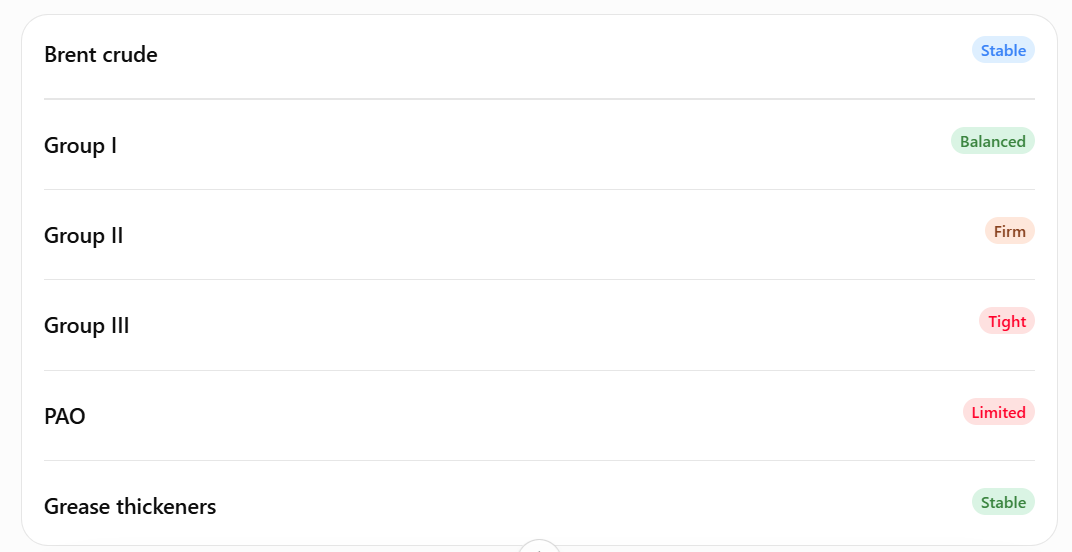
Tribology implication
For tribologists, this means formulation optimization becomes more important than simple base-stock substitution. Expect increased use of:
- Friction modifiers
- Surface-active additives
- Hybrid ester/PAO formulations
- Application-specific viscosity optimization
Source: TriboNet industry coverage and open lubricant-market reporting. TriboNet

2. Surface Engineering Becomes a Manufacturing Lever
A major signal this week was the increasing industrial emphasis on surface engineering as a cost-reduction tool rather than merely a wear-protection step.
Technologies seeing strongest momentum


Link: https://www.precicut.com/sharpening-and-pvd-coating
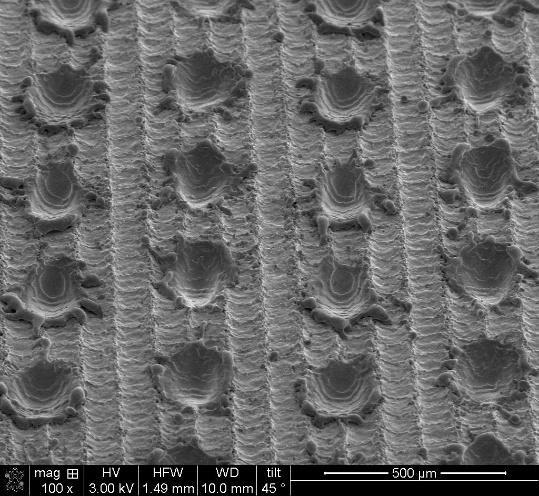
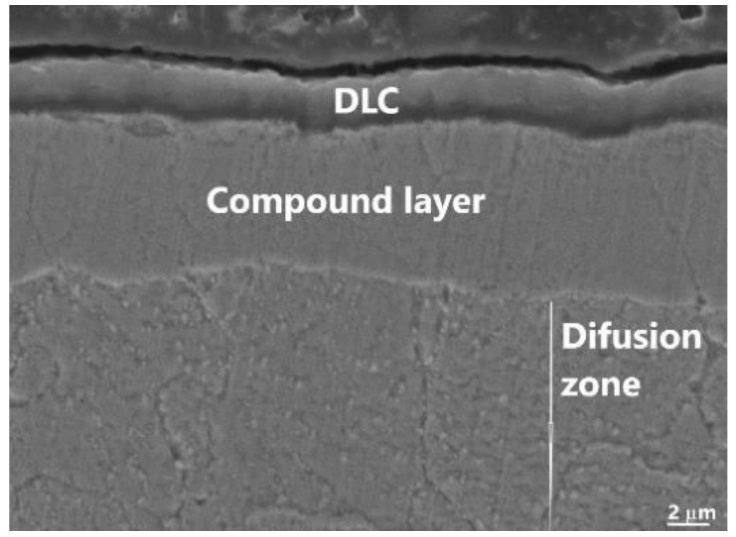
Link: https://laserax.com/blog/surface-processing-technologies/ and https://link.springer.com/article/10.1007/s40544-022-0671-0
- PVD coatings (TiAlN, AlCrN, DLC variants)
- Laser surface texturing
- Duplex treatments (nitriding + PVD)
- Thermal spray wear coatings
Why industry is investing
Manufacturers are targeting:
- 15–40% tool-life improvement
- Lower cutting forces
- Reduced coolant use
- Improved dimensional stability
- Lower energy consumption per part
MDPI’s ongoing tribology and surface-engineering initiatives continue to highlight these technologies as key enablers for sustainable manufacturing. MDPI Lubricants – Surface Engineering & Tribology
Engineering insight
The shift is notable because surface design is increasingly replacing bulk-material upgrades. Instead of changing the entire component alloy, manufacturers are modifying only the functional surface, which is often the most cost-effective tribological intervention.
3. Bangkok Conference: Sustainability Dominates the Agenda
The 11th International Conference on Tribology in Manufacturing Processes & Advanced Surface Engineering (Bangkok, 22–24 July 2026) served as a strong indicator of global research priorities.
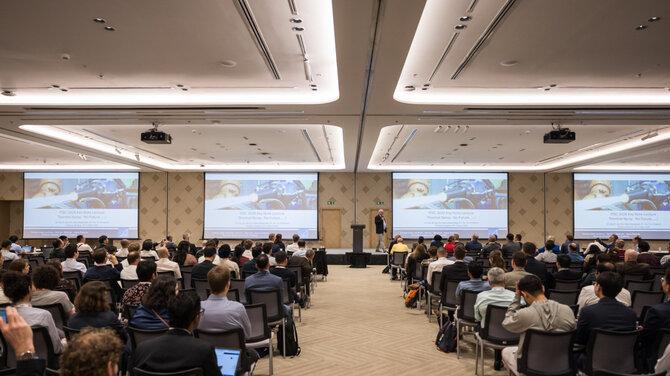
Link: https://www.mdpi.com/journal/lubricants/events/19374
Main themes reported
- Sustainable manufacturing
- Advanced surface coatings
- Additive manufacturing tribology
- Digital tribology
- AI in tribological analysis
- Green lubrication
What matters
The conference showed a clear convergence between:
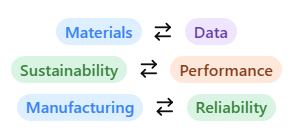
This is important for researchers because funding agencies are increasingly favoring projects that combine materials + data + sustainability rather than isolated tribological measurements.
Conference source: Conference information (MDPI)
4. AI-Based Predictive Lubrication Expands
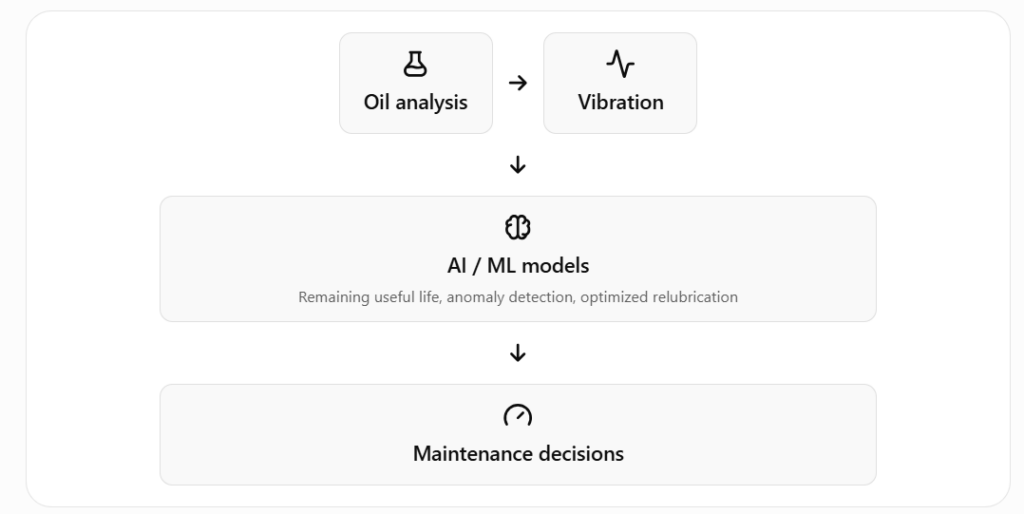
Industrial adoption of AI-assisted condition monitoring continued to accelerate.
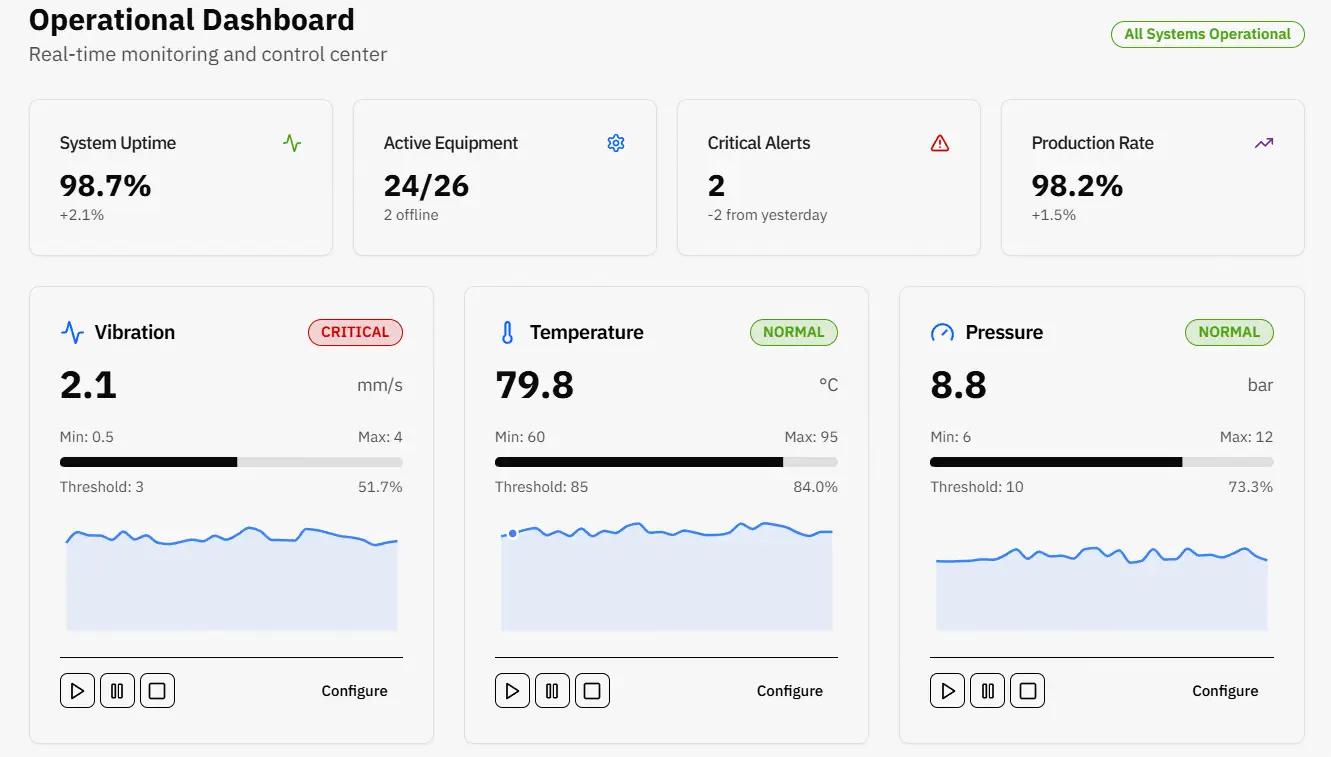
Typical architecture
Reported benefits
| Metric | Typical range |
| Unplanned downtime | ↓ 20–50% |
| Bearing failures | ↓ 15–35% |
| Lubricant consumption | ↓ 5–15% |
| Maintenance labor | ↓ 10–25% |
Tribology perspective
This is one of the clearest examples of digital tribology moving from research to operational deployment.
TriboNet has increasingly covered the intersection of lubrication, sensing, and data analytics in industrial reliability. TriboNet
5. Green Lubrication Research Intensifies
Research activity during the week showed continued momentum toward environmentally compatible tribological systems.
Links: https://www.newfoodmagazine.com/article/187604/the-growth-of-the-bio-lubricant-industry/
https://www.mdpi.com/2079-6412/13/8/1347
https://www.eneos.co.jp/english/rd/special/lubricants/ev/
Strongest research directions
- Bio-based esters
- Water-compatible lubricants
- Ionic-liquid additives
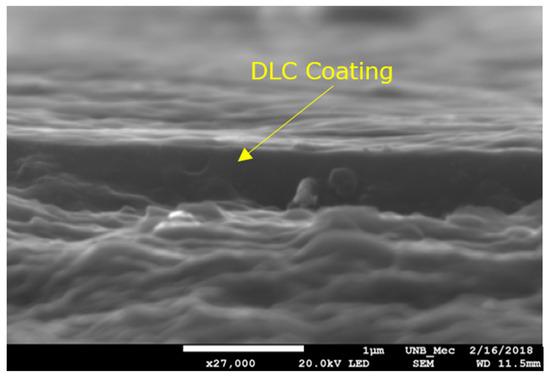
- DLC and low-friction coatings
- Friction reduction for energy efficiency
Why this matters
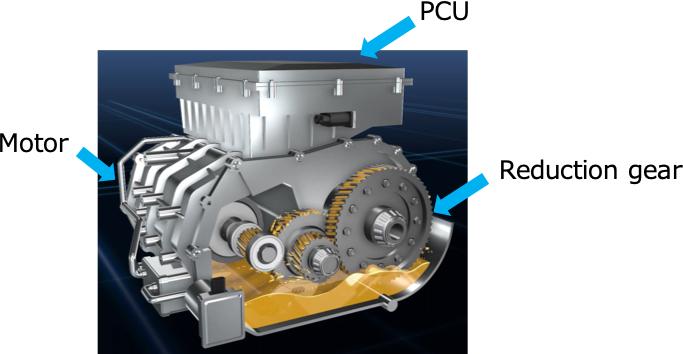
Energy losses due to friction remain a major industrial challenge. Even small reductions in coefficient of friction can produce meaningful system-level energy savings, especially in bearings, gears, and pumps.
MDPI’s tribology collections continue to emphasize the connection between friction reduction and sustainability. MDPI Lubricants
6. Industrial Tooling and Machining Tribology
Machining tribology remained a strong industrial theme.
Key developments
- Increased use of coated carbide tools
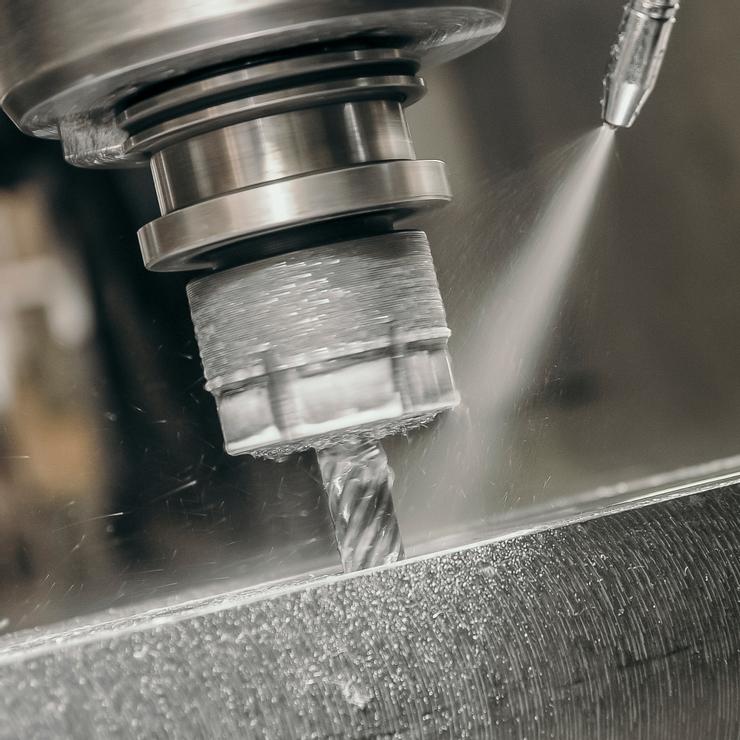
- Interest in minimum-quantity lubrication (MQL)
- Hybrid cooling/lubrication strategies
- Surface-textured tools for chip control
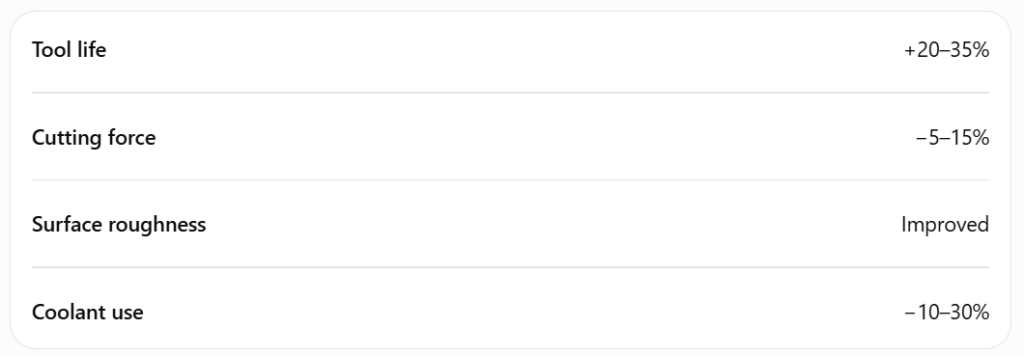
Performance targets
Insight
The combination of surface texturing + advanced coatings + optimized lubrication is emerging as a high-impact tribological package for manufacturing.
7. Biomedical Tribology Watch
For researchers in biomaterials and implants, the week reinforced several ongoing directions:
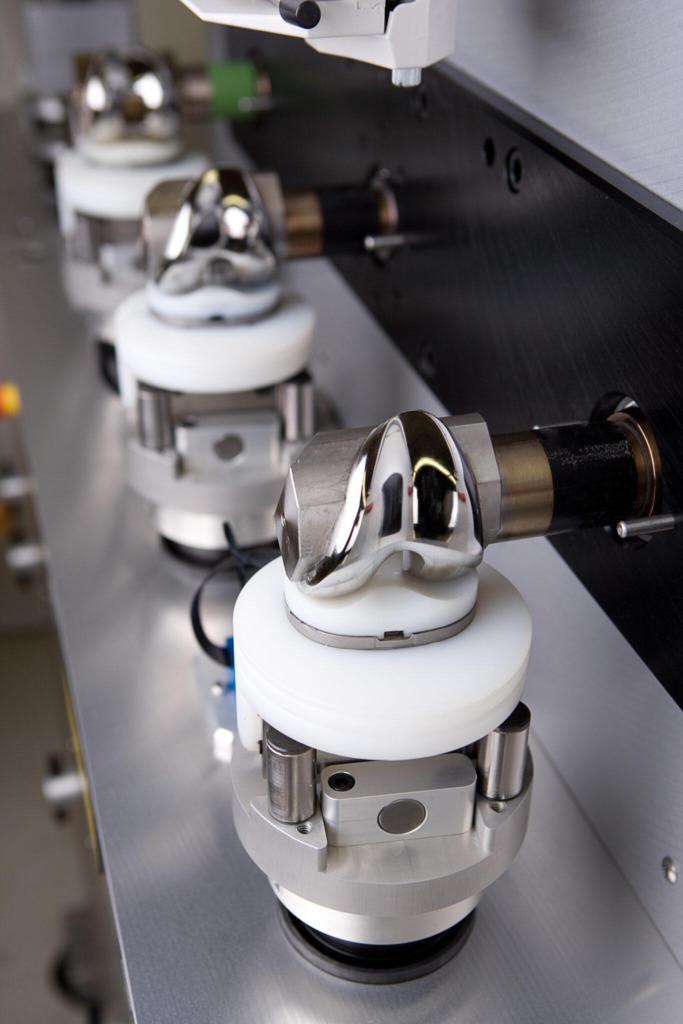
Link: https://www.amti.biz/product/adl-knee-simulator/
- Retrieval analysis of failed implants
- Surface damage characterization
- Fretting and corrosion interactions
- Lubrication in artificial joints
- Data-driven implant performance analysis
A broader trend is the integration of tribology with clinical retrieval data, enabling more realistic assessment of implant degradation mechanisms.
8. Research Highlights (Open Access & Publicly Accessible)
Surface engineering for friction reduction
Advanced coatings and textures continue to demonstrate significant reductions in friction and wear under manufacturing conditions.
Digital tribology
Machine-learning approaches are increasingly used for wear prediction and lubricant-condition assessment.
Sustainable lubrication
Bio-based and low-toxicity lubricants remain a rapidly expanding research area.
Additive manufacturing tribology
Post-processing and surface finishing are proving critical for tribological performance of AM components.
Useful open-access entry points:
- MDPI Lubricants
- TriboNet
9. Quantitative Weekly Dashboard
Market & Technology Indicators
| Indicator | Week status |
| Crude oil volatility | Low |
| Group III availability | Tight |
| PAO availability | Tight |
| Industrial lubricant demand | Strong |
| Surface-engineering activity | High |
| AI maintenance adoption | Increasing |
| Sustainability-related research | Very high |
| Conference activity | High |
10. Strategic Interpretation
What this week tells us
The biggest shift is not a new lubricant
It is the integration of surfaces, sensors, and software.
The emerging tribology stack
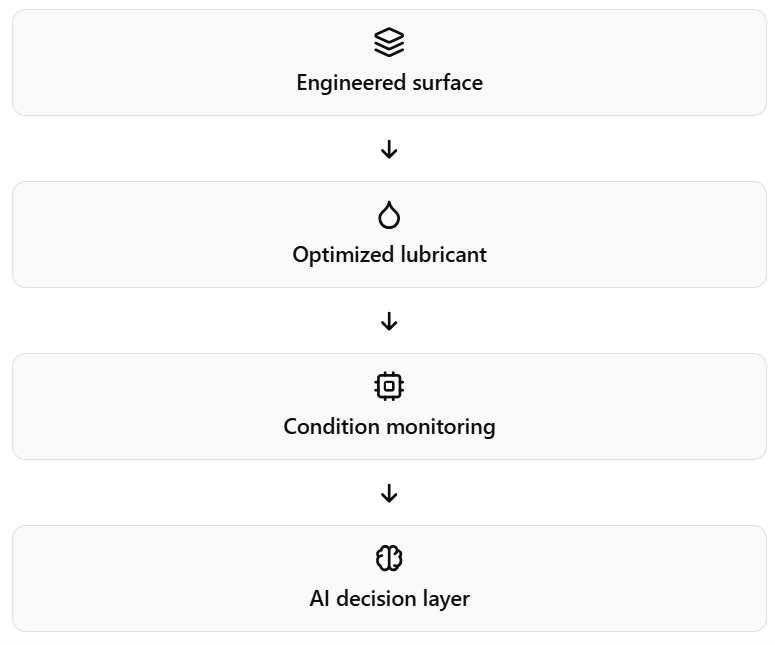
For academia
Prioritize projects that combine:
- Materials characterization
- Functional tribological testing
- Data analytics
- Sustainability metrics
For industry
High-ROI areas over the next 12–24 months:
- Bearing condition monitoring
- Surface coatings for wear reduction
- Lubricant life extension
- Energy-efficient tribosystems
- Digital maintenance platforms
Editorial Takeaway
This week confirmed that tribology is no longer a narrow discipline focused on friction and wear alone.
The strongest signals came from the convergence of:
- Advanced surfaces
- Smart lubrication
- Predictive analytics
- Energy efficiency
- Sustainable manufacturing
Organizations that treat tribology as a system-level engineering capability—rather than a materials afterthought—are likely to capture the largest gains in reliability, efficiency, and sustainability over the coming decade.
Open Sources Used
- TriboNet – News and industry intelligence: https://www.tribonet.org/
- MDPI Lubricants – Surface Engineering & Tribology: https://www.mdpi.com/journal/lubricants/special_issues/surface_engineering_tribology
- MDPI – Conference information (Bangkok 2026): https://www.mdpi.com/journal/lubricants/events/19374
- IntechOpen – Powertrain tribology and surface engineering overview:
0 Comment