







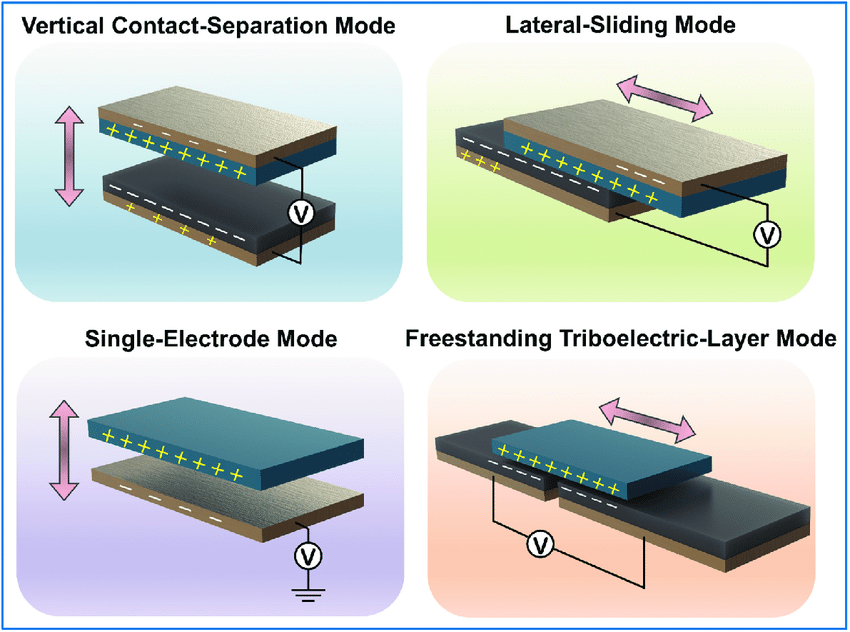
Triboelectric Nano Generators (TENG): 2026 Proven Mechanisms for Efficient Mechanical-to-Electrical Conversion
Introduction to Triboelectric Nano generators Friction and wear constitute a significant portion of global energy consumption, underscoring the importance of exploring complex tribological processes and finding cost-effective solutions to mitigate their adverse effects. Studies on tribology and triboelectrification mainly focuses...
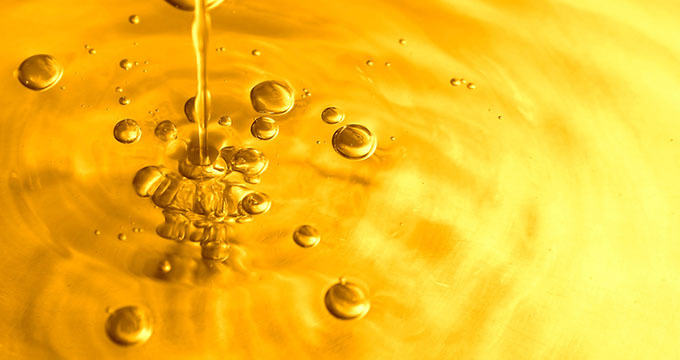
Viscosity Index Modifiers 2025: The Ultimate Guide to Boosting Lubricant Efficiency
Introduction Viscosity is a fluid’s resistance to flow, influenced by temperature, pressure, and shear stress. The viscosity index describes how viscosity changes with temperature. Viscosity is measured as kinematic (without shear stress) and dynamic (under shear stress). Visocity Index is...


How to Determine Optimal Base Oil Viscosity for Rolling Bearings Using the ISO 281 Kappa Factor
Impacts of the correct selection of base oil viscosity Viscosity is the most important property of the lubricant. That phrase is widely used by lubrication experts around the world. And it is no coincidence. Viscosity has a very important impact...

Tribology and Nanotechnology in Military systems
Introduction Nanotechnology plays a critical role in the "Army After Next" (AAN) program that is designed for the future of warfare and guides the modernization efforts of the military. It is implemented in various sectors of military particularly in defense,...


Challenges of MXene-based nanomaterials for tribological applications
Introduction MXenes are two-dimensional transition metal carbides and nitrides which have gained significant importance for their potential in improving lubrication and minimizing wear in mechanical systems. The increasing emphasis on energy efficiency and environmentally friendly solutions has created a promising...

Tribological Effects of Electrically Induced Bearing Damage
Introduction Bearings plays an important role in mechanical systems which enables smooth rotational or linear motion by reducing friction between moving components and helping in evenly distribution of loads. They are integral part in wide range of applications such as...

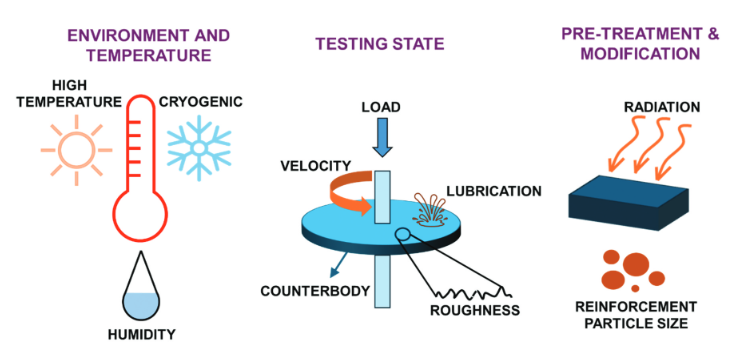
Use of PEEK in various applications
Introduction Polyetheretherketone (PEEK) is an ultra-high-performance polymer known for its outstanding wear resistance, which makes it a material of choice in various tribological applications. However, PEEK's inherently high coefficient of friction (COF) can limit its effectiveness in demanding environments. To...

Can we select the desirable material using AI?
Introduction The selection of materials for various applications is crucial and these materials are influenced by friction and wear in distinct ways. Advances in artificial intelligence (AI) and machine learning (ML) have enabled the visualization and classification of wear particles...


Antioxidants for Lubricants
Introduction The addition of lubricants in mechanical systems helps to reduce or eliminate friction which is crucial for their proper functioning and longevity. Early lubricants primarily relied on viscosity to create an oil film between frictional surfaces, preventing direct contact...

Dispersants for lubricants
Introduction Dispersants are like the detergents that are used in fuels and lubricants for many years to prevent excessive viscosity in the automobile lubricants. By keeping polar debris from oxidation in suspension, dispersants prevented thickening. Today, they are widely used...
