






TriboNet Weekly: Global Tribology, Lubrication & Surface Engineering Intelligence June 29 – July 04, 2026

Week: 29 June – 04 July 2026
Top 5 Tribology Signals This Week
- Oil-price volatility eased, but premium lubricant supply remained constrained. Crude prices retreated as geopolitical tensions around the Strait of Hormuz eased and U.S.–Iran diplomatic efforts progressed. However, Group III base oils, GTL stocks, PAOs, and specialty additives continued to face supply uncertainties, keeping pressure on premium lubricant formulations.
- U.S. crude inventories declined while refineries operated near peak utilization. Commercial crude inventories fell by 3.8 million barrels to 408.3 million barrels, approximately 7% below the five-year seasonal average, while refinery utilization reached 96.6%, highlighting robust downstream activity and continued competition between fuel and lubricant feedstock production.
- Robotics emerged as a new growth driver for tribology. SKF and Leaderdrive announced a strategic joint venture to manufacture precision transmission components for humanoid robots, emphasizing the growing importance of bearings, reducers, lubrication systems, wear control and precision surface engineering in next-generation robotics.
- Research momentum shifted toward sustainable lubrication and advanced surface engineering. Publications during the week focused on current-carrying tribology, ionic-liquid lubricants, laser-cladded coatings, waste cooking oil-based greases, and polymer composite materials, reflecting broader industry movement toward electrification and sustainability.
- Lubricant pricing volatility remained unusually high. The North American lubricant market recorded 37 pricing actions from 19 lubricant suppliers within 91 days, making supply planning, specification management and approved product substitutions increasingly important for industrial users.
Executive Summary
During the week of 29 June – 04 July 2026, global energy markets transitioned from geopolitical uncertainty toward cautious stabilization. Although crude oil prices softened following improved shipping conditions through the Strait of Hormuz and renewed diplomatic discussions, lubricant supply chains continued experiencing pressure, particularly for premium synthetic base oils and specialty additives.

The week also highlighted a significant shift in tribology applications beyond conventional industrial machinery. Robotics, electrified transportation, sustainable lubrication technologies and advanced surface engineering continued gaining momentum, demonstrating how tribology is becoming increasingly central to emerging manufacturing sectors.
Research activity during the week focused on environmentally compatible lubricants, laser-cladded wear-resistant coatings, electrified sliding contacts and high-temperature tribological performance, reinforcing the industry’s transition toward sustainable and intelligent engineering solutions.
Oil & Lubricant Industry Intelligence
Oil Market

Global crude markets stabilized during the week as geopolitical concerns surrounding the Middle East moderated.
Key Market Indicators
| Indicator | Value |
| U.S. Commercial Crude Stocks | 408.3 million barrels |
| Weekly Inventory Change | −3.8 million barrels |
| Five-Year Average Comparison | 7% below average |
| Refinery Utilization | 96.6% |
| U.S. Crude Inputs | 17.2 million bpd |
| Gasoline Production | 10.0 million bpd |
| Distillate Production | 5.2 million bpd |
Tribology Perspective
Lower crude prices improve market sentiment but do not immediately translate into lower lubricant costs. Premium lubricant formulations remain constrained by:

- Group III base oil availability
- PAO production
- GTL feedstocks
- Specialty additive supply
- Shipping logistics
Consequently, lubricant manufacturers continue prioritizing formulation flexibility, inventory management and approved product substitutions.

Base Oil Market
Market intelligence from Lubes’n’Greases indicated relatively stable Group II pricing across Europe, while premium synthetic base stocks continued experiencing strategic supply concerns.

Market Observations
- European Group II prices remained largely stable.
- Premium Group III availability continued to tighten.
- Middle East geopolitical developments remained a significant market variable.
- South Korean and Persian Gulf suppliers remained critical to North American Group III supply.
Engineering Impact
Maintenance engineers should avoid assuming that declining crude prices will automatically reduce lubricant procurement risks. Specification-compliant lubricant availability remains more critical than absolute price levels.
Lubricant Pricing
Pricing activity remained unusually dynamic.
Market Statistics
| Metric | Value |
| Pricing Actions | 37 |
| Companies Announcing Changes | 19 |
| Reporting Period | 91 days |
Industry Implications
The current lubricant market is increasingly influenced by:
- quotation validity periods,
- allocation strategies,
- specification approvals,
- customer communication,
- inventory optimization.
Company Watch
SKF
SKF announced a joint venture with Leaderdrive to manufacture precision transmission components for humanoid robots.
Tribology Significance
Humanoid robotics introduces new tribological requirements including:
- ultra-low backlash reducers,
- miniature high-load bearings,
- long-life greases,
- thermal stability,
- contamination resistance,
- high repeatability under continuous operation.

ExxonMobil Basestocks
The strategic importance of ExxonMobil’s Singapore Group II expansion continues to increase as lubricant blenders seek greater formulation flexibility amid ongoing Group III constraints.
Industry Impact
Additional Group II production supports:
- industrial lubricant blending,
- heavy-duty engine oils,
- hydraulic fluids,
- industrial gear oils.

Chevron Oronite
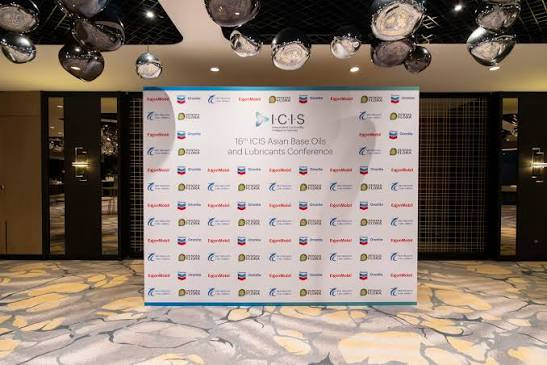
Chevron Oronite participated in the 18th ICIS Asian Base Oils & Lubricants Conference, reinforcing Asia’s role in future additive development and lubricant formulation technologies.
Strategic Focus
- low-viscosity engine oils,
- hybrid vehicle lubricants,
- alternative-fuel applications,
- next-generation additive chemistry.
Shell Lubricants
Shell continued promoting low-viscosity fluid technologies and thermal management solutions for electrified powertrains.
Tribology Outlook
Electrification is expanding lubricant requirements beyond conventional engine oils toward:
- battery thermal fluids,
- e-axle lubricants,
- gearbox efficiency,
- dielectric fluid compatibility.
Research Highlights
Research Snapshot
| Research | Journal | Tribology Significance |
| Current-Carrying Pantograph–Catenary Tribology | Lubricants | Rail electrification and sliding electrical contacts |
| Waste Cooking Oil-Based Greases | Lubricants | Sustainable grease formulation |
| Oil-Soluble Ionic Liquids | Tribology International | Boundary lubrication and tribofilm development |
| Si-Modified Laser-Cladding Coatings | Tribology International | Wear-resistant surface repair |
| Surface Oxidation vs. Softening | Tribology International | High-temperature wear mechanisms |
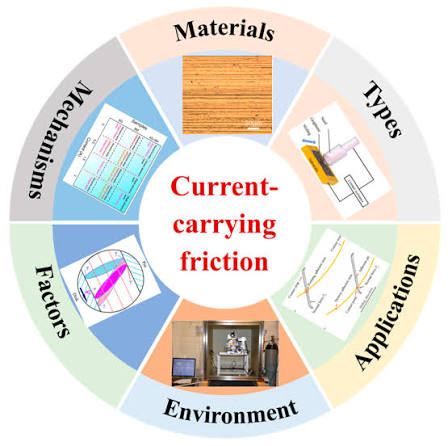
Current-Carrying Tribology
Electrified sliding contacts continue presenting significant tribological challenges due to simultaneous mechanical wear, electrical arcing, oxidation and thermal loading.
Applications
- High-speed rail
- Electrified transport systems
- Current collectors
- Sliding electrical contacts
Link: https://www.mdpi.com/2075-4442/12/10/349
Green Lubrication
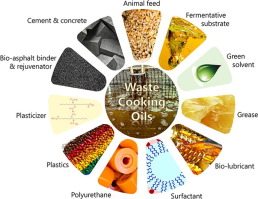
A comprehensive review on waste cooking oil-based greases highlighted continued progress toward commercially viable bio-based lubricants.
Key research priorities include:
- oxidation stability,
- water resistance,
- thickener compatibility,
- long-term wear performance.
Link: https://www.sciencedirect.com/science/article/pii/S0016236122013886
Advanced Lubricant Chemistry
Oil-soluble ionic liquids remain promising boundary lubricant additives capable of forming durable tribofilms while reducing friction and wear.
Remaining challenges include:
- formulation stability,
- corrosion control,
- production cost,
- industrial scalability.
Surface Engineering
Laser-cladded CoCrNiMo-based coatings continue demonstrating improved wear resistance for:
- shafts,
- mining equipment,
- forming tools,
- energy-sector components.
Research also highlighted the complex interaction between surface oxidation and material softening during high-temperature wear, emphasizing that oxide layers can either reduce or accelerate wear depending on operating conditions.
Technology & Patent Watch
Current innovation trends continue focusing on:
- graphene-based lubricant additives,
- solid lubricant composites,
- ultra-low-friction coatings,
- electrically compatible lubricants,
- extended-drain lubricant technologies.
Patent activity increasingly targets lubricant systems capable of simultaneously delivering:
- low friction,
- electrical insulation,
- oxidation resistance,
- regulatory compliance,
- extended service life.
Weekly Industry Dashboard
Energy & Oil
| Indicator | Status |
| Crude Inventories | ▼ 3.8 million barrels |
| Refinery Utilization | ▲ 96.6% |
| Crude Inputs | 17.2 million bpd |
| Gasoline Output | 10.0 million bpd |
| Distillate Output | 5.2 million bpd |
Rig Activity
| Region | Count | Weekly Trend |
| United States | 580 | ▲ 7 |
| Canada | 190 | ▼ 7 |
| International | 1,073 | ▲ 27 (June) |
Lubricants
| Indicator | Status |
| Group III Supply | Tight |
| Group II Supply | Stable |
| Lubricant Pricing | Volatile |
| OEM Specification Pressure | High |
Engineering Insight of the Week
The New Challenge Is Specification Security
As crude oil prices stabilize, tribology professionals should resist equating lower crude prices with reduced lubricant risk.
Modern lubrication reliability depends less on crude availability and more on maintaining the correct lubricant specification, including:
- approved viscosity grades,
- OEM certifications,
- additive chemistry,
- oxidation performance,
- drain interval capability.
Substituting lubricants without technical validation can compromise equipment reliability, particularly in electrified drivetrains, high-load industrial systems and precision robotics.
Link: https://inspirepreneurmagazine.com/world/america/oil-prices-rise-on-middle-east-supply-concerns/
Recommended Actions
- Maintain approved lubricant specifications.
- Increase oil condition monitoring during supply uncertainty.
- Validate all substitute products against OEM requirements.
- Strengthen contamination control and filtration practices.
- Prioritize reliability over short-term procurement savings.
Market Outlook (05–11 July 2026)
Industry attention is expected to remain focused on:
- Middle East shipping stability,
- premium base oil availability,
- lubricant pricing actions,
- electrified tribology research,
- advanced coating technologies,
- robotics and precision motion systems,
- sustainable lubricant development.
References
- TriboNet Weekly (Reference Format): https://www.tribonet.org/news/tribonet-weekly-global-tribology-lubrication-surface-engineering-intelligence-may-04-09-2026/
- U.S. EIA Weekly Petroleum Status Report: https://www.eia.gov/petroleum/supply/weekly/
- EIA Weekly Petroleum Summary (Week Ending 26 June 2026): https://ir.eia.gov/wpsr/wpsrsummary.pdf
- Baker Hughes Rig Count: https://rigcount.bakerhughes.com/
- Lubes’n’Greases Base Oil Pricing Reports: https://www.lubesngreases.com/category/base-stocks/other/base-oil-pricing-report/
- Lubes’n’Greases EMEA Base Oil Report: https://www.lubesngreases.com/bor-emea/weekly-emea-base-oil-price-report-120/
- ILMA – Group III Base Oil Supply Disruptions: https://ilma.org/ilma-seeks-immediate-relief-amid-group-iii-base-oil-supply-disruptions/
- JobbersWorld – 2026 Lubricant Pricing Cycle: https://jobbersworld.com/2026/06/04/the-2026-lubricant-pricing-cycledata-dynamics-and-theemerging-role-of-supplyconstraints/
- SKF–Leaderdrive Joint Venture: https://www.skf.com/us/news-and-events/news/2026/2026-Jul-02-skf-and-leaderdrive-form-a-venture-for-precision-components-in-humanoids
- ExxonMobil Basestocks Singapore Expansion: https://www.exxonmobil.com/en/basestocks/news-insights-and-resources/singapore-refinery-base-stocks
- Chevron Oronite – ICIS Asian Base Oils & Lubricants Conference: https://www.oronite.com/about/news-activities/chevron-oronite-to-sponsor—speak-at-18th-icis-asia-base-oils-a.html
- MDPI Lubricants – Current-Carrying Tribology of Pantograph–Catenary Systems: https://www.mdpi.com/2075-4442/14/7/256
- MDPI Lubricants – Waste Cooking Oil-Based Greases Review: https://www.mdpi.com/2075-4442/14/7/260
- Tribology International – Si Effects in Laser-Cladding Coatings: https://www.sciencedirect.com/science/article/abs/pii/S0301679X26007607
- Tribology International – Oil-Soluble Ionic Liquids: https://www.sciencedirect.com/science/article/abs/pii/S0301679X26007590
0 Comment