








TriboNet Weekly: Global Tribology, Lubrication & Surface Engineering Intelligence May 18-23, 2026
Week: 18 May – 23 May 2026
⚡ Top 5 Signals This Week
- Global lubricant supply disruptions became a major industry concern at STLE 2026, with a dedicated Lubricant Supply Discussion Session added during the conference.
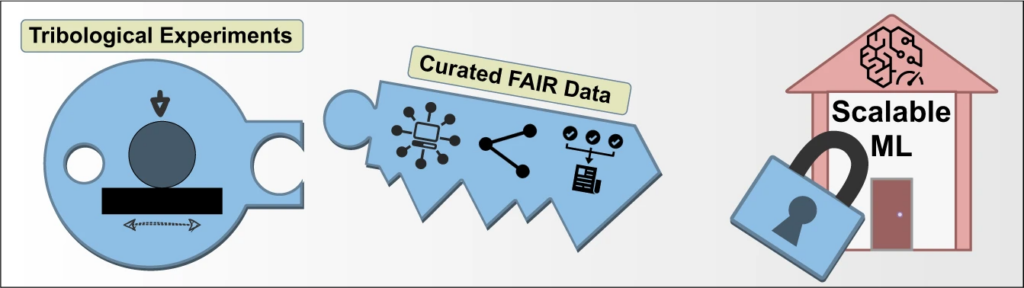
- AI-driven tribology moved from research to deployment, with robotic tribometers now capable of running 432 experiments per 24 hours and nanoparticle screening reaching 150 million materials/chip.
- Hydrogen-compatible lubrication systems emerged as a critical engineering challenge due to tribofilm instability, embrittlement risk, and accelerated wear in hydrogen environments.
- Thermal-management lubricants for EV battery immersion cooling and data centers became one of the fastest-growing lubricant application areas discussed this week.
- Offshore wind reliability continued driving demand for advanced bearing materials, predictive lubrication, and sensor-integrated tribology systems.
Executive Summary
The week of 18–23 May 2026 was dominated by developments at the 80th STLE Annual Meeting & Exhibition in New Orleans, where the tribology industry strongly shifted its focus toward:

- AI-enabled lubrication,
- hydrogen-compatible tribology,
- lubricant supply resilience,
- thermal management fluids,
- predictive reliability systems.
Simultaneously, global oil-market instability and tightening lubricant supply chains continued increasing pressure on:
- synthetic lubricant pricing,
- additive availability,
- industrial maintenance budgets,
- lubricant life-extension programs.

1. Oil & Lubricant Industry Intelligence
Lubricant Supply Disruptions Became a Major Industry Topic

One of the strongest signals this week was STLE organizing a dedicated:
“Lubricant Supply Discussion Session”
on 20 May 2026 due to ongoing global supply-chain disruptions.
Key Drivers

| Driver | Impact |
| Middle East shipping uncertainty | High |
| Base oil availability pressure | High |
| Freight inflation | Moderate–High |
| Additive lead-time volatility | High |
Tribology Impact
Industrial operators increasingly shifted toward:
- oil life-extension programs,
- contamination-control engineering,
- predictive lubrication,
- synthetic lubricant optimization.
The industry focus moved from: “lubricant availability”
to: “lubricant efficiency.”
2. STLE 2026 — Major Technical Trends

AI Became the Dominant Tribology Theme
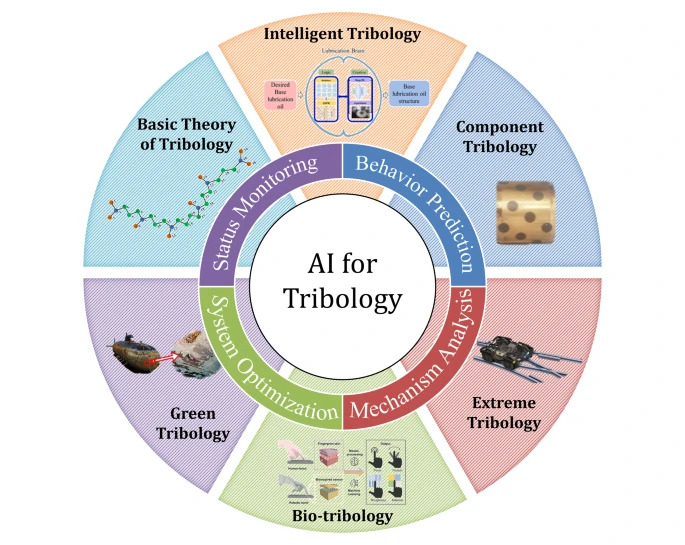
The STLE Emerging Trends Report 2026 identified AI as one of the four strongest forces reshaping lubrication engineering.
Reported Technical Metrics
| Technology | Performance |
| Robotic tribometers | 432 tests/day |
| Nanoparticle screening | 150 million materials/chip |
| AI deployment area | Predictive lubrication |
| Industrial model | Industry 4.0 Flywheel |
Industry Impact
AI is now being integrated into:
- lubricant formulation,
- wear prediction,
- oil analytics,
- tribology R&D,
- predictive maintenance systems.
Link: https://link.springer.com/article/10.1007/s40544-024-0879-2
3. Thermal Management Lubrication Expanded Rapidly
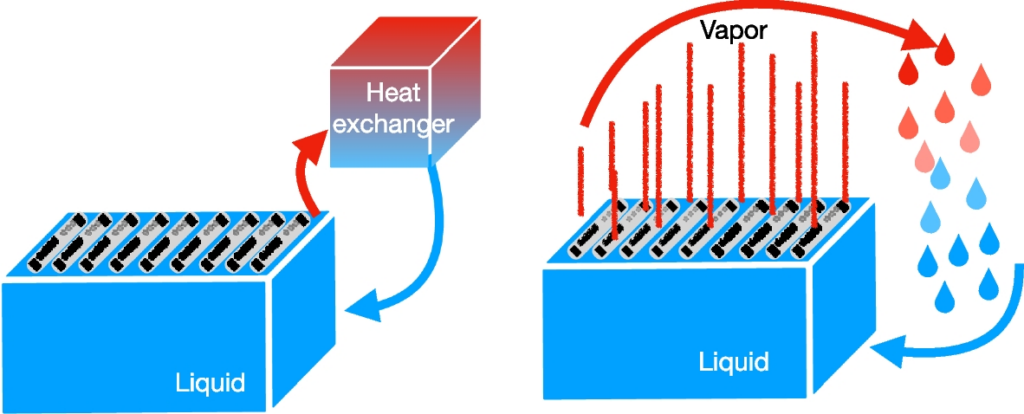
Direct Immersion Cooling Became a Major Focus
STLE highlighted rapid growth in:
- EV immersion cooling,
- data-center cooling lubricants,
- compressor thermal-management fluids.
Why This Matters
Thermal-management lubricants now represent one of the fastest-growing application segments because:
- EV battery heat density is increasing,
- AI data centers require high-efficiency cooling,
- conventional cooling systems are reaching efficiency limits.
Tribology Impact
This is accelerating development of:
- low-viscosity synthetic fluids,
- dielectric lubricants,
- oxidation-resistant base oils,
- thermally stable additive packages.
Link: https://link.springer.com/article/10.1186/s42162-023-00269-0
4. Hydrogen Tribology Intensified
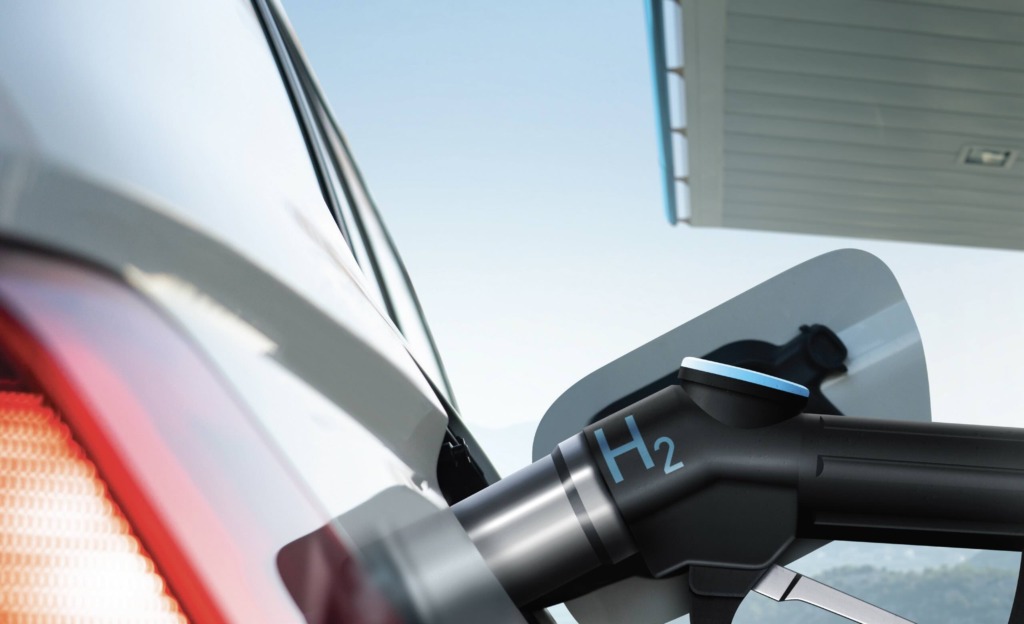
Hydrogen-Compatible Lubrication Became a Critical Engineering Priority
STLE’s 2026 report highlighted hydrogen and ammonia fuel systems as major future lubricant challenges.
Key Tribological Risks
| Hydrogen Effect | Engineering Risk |
| Tribofilm instability | Increased wear |
| Hydrogen embrittlement | Bearing fatigue |
| Lubricant degradation | Reduced life |
| Crack propagation | Premature failure |
Industry Response
R&D focus increased on:
- hydrogen-resistant coatings,
- advanced sealing systems,
- ceramic-bearing systems,
- low-reactivity synthetic lubricants.
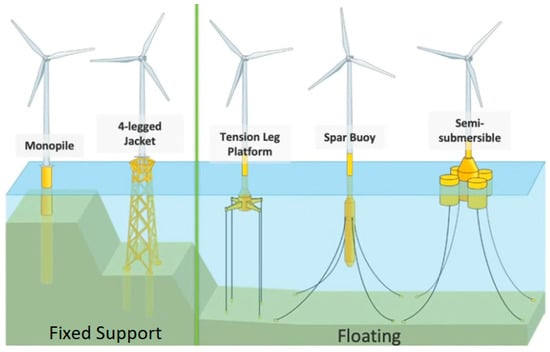
5. Wind Energy Reliability
Offshore Wind Reliability Pressure Increased
The continued expansion of offshore wind systems intensified focus on:
- bearing fatigue,
- grease degradation,
- rolling-contact wear,
- white etching cracks (WEC).
Engineering Trend
Wind-energy OEMs increasingly prioritize:
- online oil diagnostics,
- sensor-integrated bearings,
- advanced filtration systems,
- predictive maintenance platforms.
Reliability Challenge
Larger turbines are increasing:
- contact stress,
- lubrication-film instability,
- gearbox failure risk,
- maintenance costs.
Link: https://www.mdpi.com/1996-1073/15/2/579
6. Surface Engineering & Advanced Materials
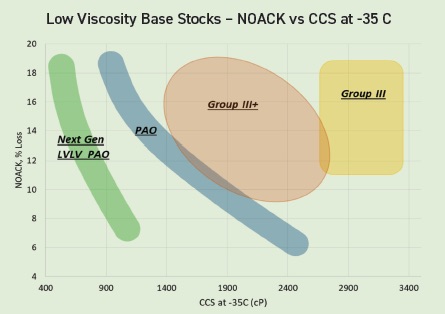
Low-Viscosity Base Oils Continued Expanding
Tribology discussions this week showed increasing momentum toward:
- ultra-low-viscosity lubricants,
- gas-to-liquid base oils,
- advanced synthetic esters,
- low-friction formulations.
Key Engineering Benefits
| Property | Benefit |
| Lower viscosity | Higher efficiency |
| Improved oxidation stability | Longer oil life |
| Lower volatility | Reduced losses |
| Higher purity | Better wear control |
Tribology Impact
The industry is balancing:
- friction reduction,
- thermal stability,
- additive response,
- durability.
This is especially critical for:
- EV drivetrains,
- aerospace systems,
- high-speed industrial equipment.
Link: https://www.stle.org/files/TLTArchives/2021/02_February/Cover_Story.aspx
7. Data & Digital Tribology
Tribology Data Hub Initiative Expanded
A dedicated STLE session on 19 May focused on building standardized:
- tribology data practices,
- reliability datasets,
- AI-compatible testing frameworks.
Strategic Importance
The industry recognizes that AI-driven lubrication systems require:
- clean datasets,
- interoperable testing methods,
- real-time machine data,
- standardized tribology analytics.
Industry Direction
The sector is rapidly moving toward: “data-centric tribology engineering.”
Link: https://www.nature.com/articles/s41597-022-01429-
Weekly Industry Snapshot
| Segment | Weekly Direction |
| Lubricant supply | Tightening |
| AI tribology | Rapid growth |
| Hydrogen lubrication | Expanding |
| Thermal-management fluids | High growth |
| Wind reliability engineering | Critical |
| Predictive lubrication | Accelerating |
| Surface engineering | Strong innovation |
Engineering Insight of the Week
Lubrication Is Becoming a Data Problem
The strongest industrial shift this week was the transition from: “maintenance scheduling”
to: “real-time lubrication intelligence.”
Future lubrication systems are increasingly expected to:
- self-monitor,
- predict wear,
- optimize lubricant usage,
- reduce energy losses automatically.
References
- STLE 2026 Annual Meeting Program
- STLE Emerging Trends Report 2026
- STLE Special Programs & Lubricant Supply Session
- Tribology & Lubrication Digest — Low-Viscosity Base Oils
- TLT Magazine May 2026 Edition
- Tribology Conferences & Meetings 2026
0 Comment