







TriboNet Weekly: Global Tribology, Lubrication & Surface Engineering Intelligence Aug 10 – 15, 2026
Week: 10–15 August 2026
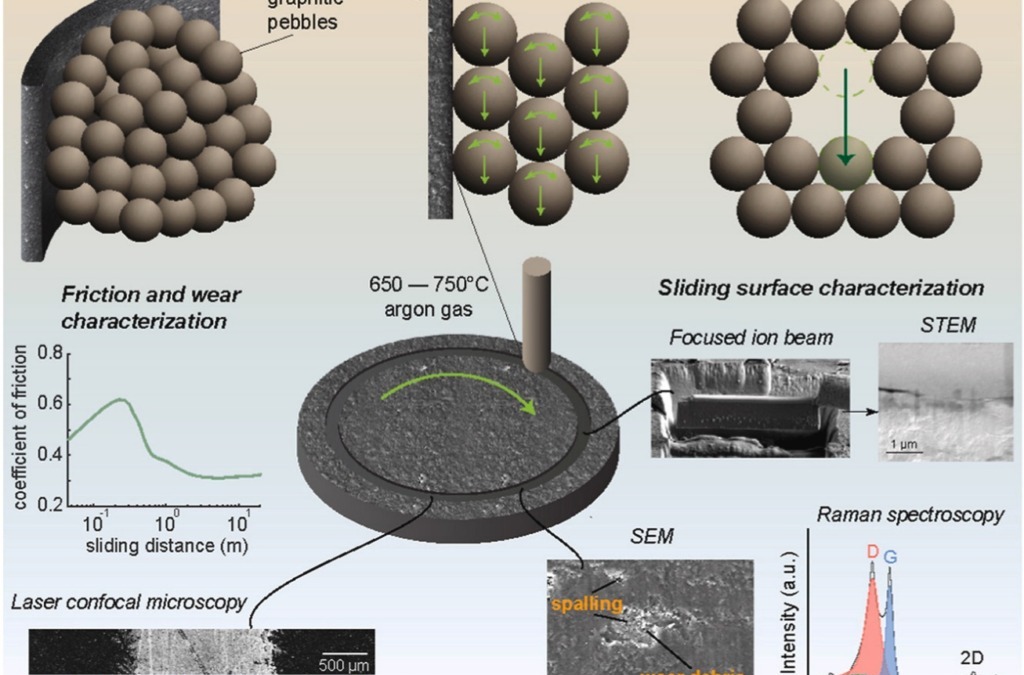
⚡ Key Insights of the Week
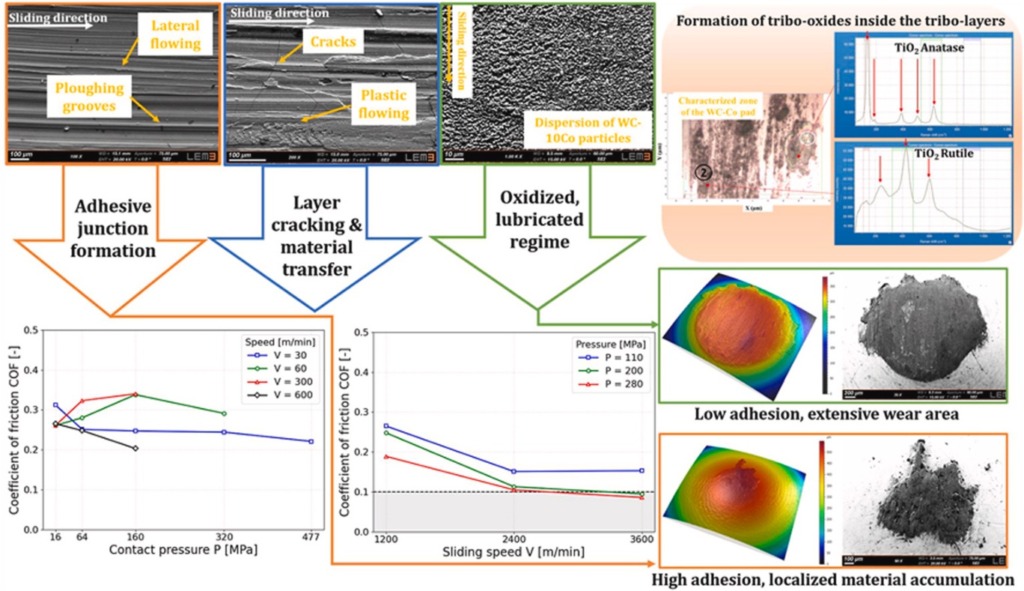
- Extreme-speed tribology is pushing beyond conventional wear regimes. New research published in Wear demonstrates a transition from adhesion-dominated wear toward oxidation- and diffusion-assisted mechanisms at very high sliding speeds.
- Nuclear-energy tribology is receiving increasing attention. New work on nuclear graphite examined friction and wear at temperatures up to 750 °C under controlled inert conditions, providing data relevant to high-temperature nuclear systems.
- Tribology is becoming increasingly coupled with corrosion science. New research on bio-based systems highlights the complex interaction between wear and corrosion and the potential of bio-derived chemistry for tribocorrosion control.
- Surface engineering continues to outperform bulk-material modification as a tribological strategy. High-entropy nitride coatings, engineered composite coatings and laser-based surface technologies are increasingly being designed to simultaneously address friction, wear and corrosion.
- Friction reduction is increasingly being positioned as an industrial decarbonisation strategy. Recent industry analysis highlights low-friction bearings, condition monitoring, lubrication management and tribological optimisation as practical routes for reducing energy losses in manufacturing.
Executive Summary
During 10–15 August 2026, tribology research increasingly focused on the behaviour of materials under demanding and application-specific environments.

A particularly important development was the publication of research examining the transition between adhesion-controlled and thermally activated wear at extreme sliding speeds. The work demonstrates that increasing sliding speed can fundamentally change the dominant wear mechanism rather than simply increasing the severity of conventional wear.
At the same time, new research on nuclear graphite at elevated temperatures, high-entropy nitride coatings, tribocorrosion, and advanced lubricating systems demonstrates the growing importance of understanding tribological behaviour under coupled environmental conditions.
The industrial perspective also became increasingly prominent. A recent analysis from India highlighted friction reduction as an overlooked component of industrial decarbonisation, linking tribology with energy efficiency, predictive maintenance and asset life extension.
1. Extreme-Speed Sliding Reveals a Transition in Wear Mechanisms

One of the most significant tribology papers of the week was published in Wear on 15 August 2026:
“Transitions between adhesion and thermally activated wear modes under high and very high sliding speeds.”
The study investigated a Ti-6Al-4V/WC-Co tribological system across sliding speeds ranging from 30 to 3600 m/min using both conventional pin-on-disc and very-high-speed gas-gun tribometers.
The researchers identified a transition from:

Adhesion-dominated wear
toward:
Oxidation- and diffusion-assisted wear
as sliding speed increased.

At extreme speeds, the associated thermal effects resulted in:
- WC fragmentation
- cobalt softening
- tribolayer formation
- increased thermally activated material processes
Interestingly, friction coefficients below 0.1 were achievable at very high speeds, although this was accompanied by substantially increased wear.
Why it matters
This work reinforces an important tribological principle:
Increasing speed does not simply scale friction and wear — it can change the mechanism itself.
For high-speed machining, aerospace systems, turbines and other extreme-speed contacts, thermal effects therefore need to be incorporated into tribological models rather than treating wear as purely mechanically controlled.
Link: https://www.sciencedirect.com/science/article/abs/pii/S004316482600267X
2. Nuclear Graphite Tribology Under Extreme Temperature
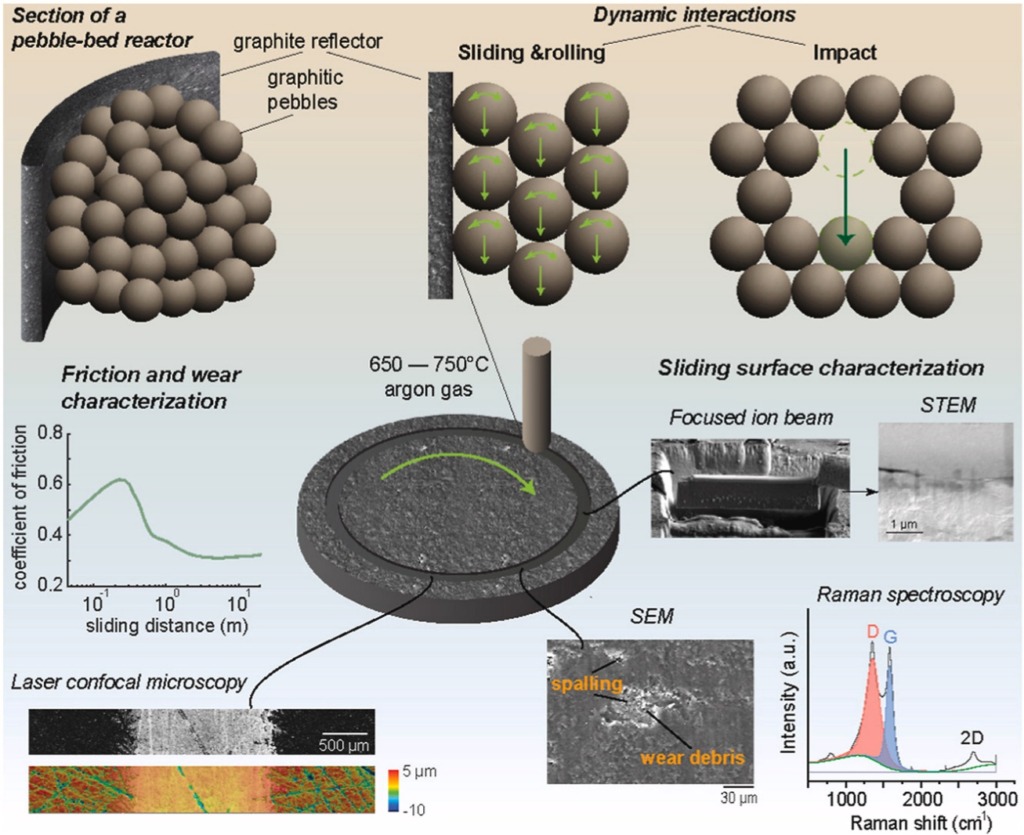
A new study published in Wear on 15 August 2026 investigated the friction and wear behaviour of nuclear-grade graphite under conditions relevant to high-temperature nuclear reactors.
The research examined self-mated nuclear graphite at:
- 650 °C and 750 °C
- 1 and 10 mm/s sliding speeds
- 20 and 40 N contact loads
- controlled argon atmosphere
The researchers combined tribological testing with surface and microstructural characterisation, including Raman analysis of the resulting tribofilm.
Why it matters
Graphite components can experience repeated sliding interactions in high-temperature nuclear systems. Understanding how friction, wear and tribofilm formation change with temperature is therefore important for:
- advanced reactor components
- graphite fuel systems
- high-temperature seals
- reactor structural materials
- long-term reliability assessment
The work also demonstrates the importance of tribofilm chemistry, rather than relying solely on bulk graphite properties to explain friction behaviour.
Link: https://www.sciencedirect.com/science/article/abs/pii/S0043164826002693
3. Carbon Black Chemistry Provides New Insight into Friction and Wear
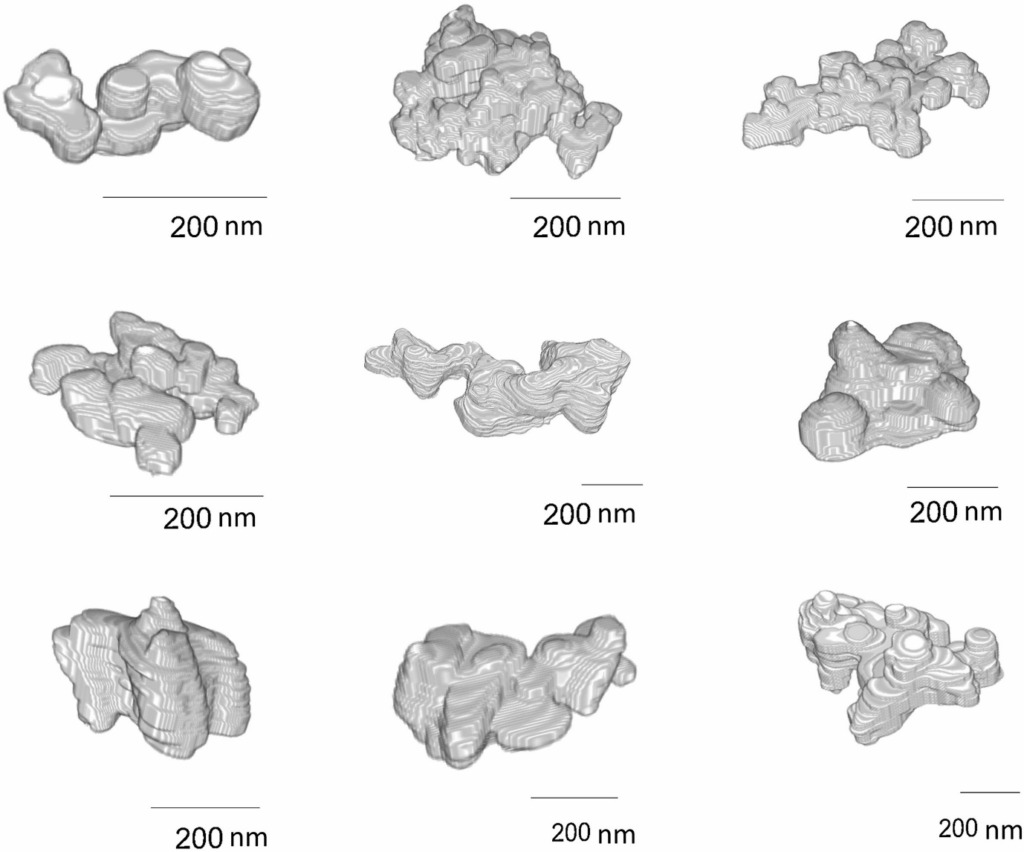
Another Wear paper published on 15 August 2026 investigated how the morphology, chemistry and concentration of different carbon blacks influence tribological behaviour.
The study, “Comparing Different Carbon Blacks: A Study Linking Morphology, Chemistry, Concentration, and Tribological Behaviour,” connects material structure and chemistry with friction and wear behaviour.
Carbon-based materials are widely used in:
- lubricants
- rubber compounds
- polymer composites
- coatings
- conductive materials
Engineering significance
The study highlights the importance of looking beyond the nominal material composition.
Two materials both described as “carbon black” can behave differently because of differences in:
morphology → surface chemistry → concentration → interfacial interactions → friction and wear
This is particularly relevant for the development of low-friction polymer and elastomer systems.
Link: https://www.sciencedirect.com/science/article/pii/S004316482600270X#fig5
4. High-Entropy Nitride Coatings Balance Tribology and Corrosion
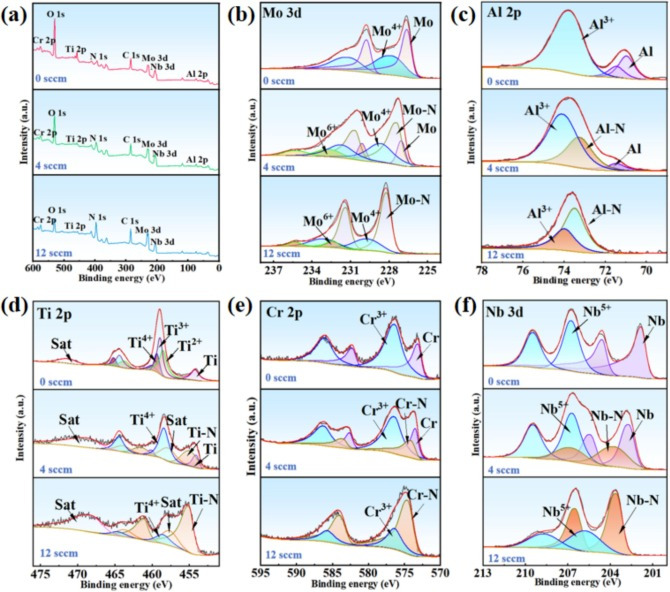
A new Surface and Coatings Technology paper published on 15 August 2026 examined nitrogen-regulated high-entropy nitride coatings:
“The trade-off between tribology and corrosion: nitrogen-regulated phase competition in (MoAlTiCrNb)Nx high-entropy nitride coatings.”
The researchers varied nitrogen content and observed transitions from amorphous metallic structures toward crystalline nitride phases.
The resulting coatings demonstrated:
- high hardness
- reduced friction
- reduced wear
- formation of continuous tribo-oxide layers
However, increasing nitrogen content also influenced corrosion behaviour by affecting oxide-layer defects and chloride-ion diffusion pathways.
Why it matters
This is an important reminder that tribological optimisation cannot always be separated from corrosion performance.
A coating that provides excellent wear resistance may introduce a different electrochemical response.
The future of surface engineering is therefore increasingly moving toward:
tribology + corrosion + chemistry + microstructure
rather than optimisation of friction and wear alone.
Link: https://www.sciencedirect.com/science/article/pii/S0257897226005360#f0010
5. Grease Chemistry Continues to Show That “Oil + Thickener” Is Too Simple
Recent research in Tribology International continues to demonstrate that grease formulation chemistry strongly affects friction and film formation.
The study:
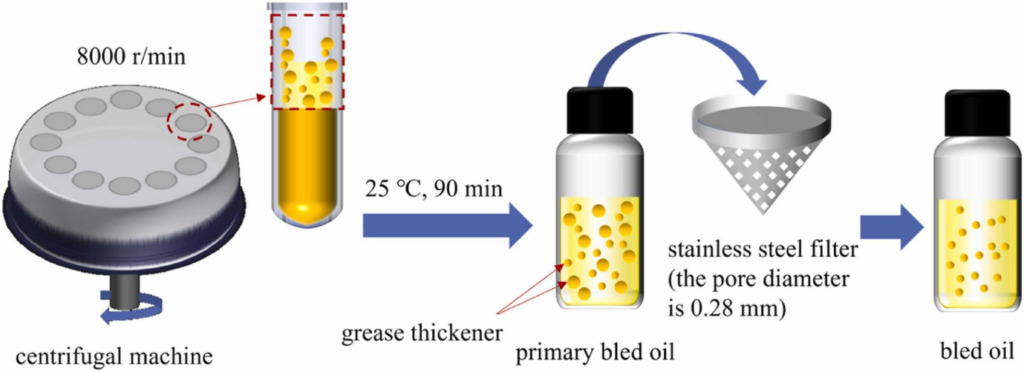
“Friction in grease lubricated rolling/sliding contacts – Influence of thickener type and a comparison among grease, bled oil, and base oil”
compared six grease formulations based on the same PAO10 base oil and NLGI grade.
The investigation considered:
- friction
- traction
- film thickness
- oil bleeding
- temperature
- entrainment speed
The results reinforce that thickener chemistry can significantly modify tribological behaviour even when the underlying base oil is held constant.
Engineering message
Grease should not simply be treated as:
Base oil + thickener
Instead:
Thickener structure → oil release → film formation → friction → temperature response → wear
This is particularly relevant to bearings operating across broad temperature and speed ranges.
Link: https://www.sciencedirect.com/science/article/pii/S0301679X26002768#fig0005
Weekly Industry Snapshot
| Segment | Weekly Direction |
| Extreme-speed tribology | ↑ Rapidly developing |
| Nuclear tribology | ↑ Increasing attention |
| EV tribology | ↑ Strong growth |
| Tribocorrosion | ↑ Expanding |
| High-entropy coatings | ↑ Active |
| Smart lubrication | ↑ Emerging |
| Self-lubricating coatings | ↑ Active |
| Sustainable lubrication | ↑ Expanding |
| Industrial decarbonisation | ↑ Strong focus |
| Predictive maintenance | ↑ Increasing |
Research Themes of the Week
| Research Theme | Key Development |
| Extreme-speed wear | Transition toward thermally activated wear mechanisms |
| Nuclear tribology | High-temperature graphite friction and wear |
| Carbon materials | Structure–chemistry–tribology relationships |
| Tribocorrosion | Coupled wear–corrosion mechanisms |
| Surface engineering | High-entropy nitride coatings |
| EV tribology | Multi-factor differential wear |
| Polymer tribology | PEEK/PTFE/MoS₂/h-BN composite systems |
| Smart coatings | Microcapsule-based lubricant release |
| Grease tribology | Thickener chemistry controls friction |
| Sustainability | Friction reduction linked to decarbonisation |
Quantitative Weekly Snapshot
| Metric | Value |
| Extreme-speed tribology range | 30–3600 m/min |
| Nuclear graphite test temperatures | 650–750 °C |
| Nuclear graphite sliding speeds | 1–10 mm/s |
| Nuclear graphite contact loads | 20–40 N |
| High-entropy nitride coating system | (MoAlTiCrNb)Nₓ |
| Self-lubricating microcapsule diameter | ~42 μm |
| Carbon-composite focus | PEEK/PTFE + MoS₂ + h-BN |
| EV differential study | Multi-factor wear analysis |
Engineering Insight of the Week
The strongest message from this week’s research is that tribological performance is increasingly governed by the interaction of multiple physical fields rather than friction alone.
A conventional tribological system can be represented as:
Load → contact → friction → wear
Modern tribosystems increasingly require:
Load + speed + temperature + lubrication + surface chemistry + electricity + corrosion
The next generation of tribology will therefore increasingly depend on multiphysics understanding, intelligent surface engineering and adaptive lubrication.
For industry, this means that reducing friction is not only about selecting a better lubricant or harder coating.
It is about designing the entire tribosystem.
Weekly Summary
- Extreme-speed experiments demonstrate that increasing sliding speed can trigger fundamental transitions in wear mechanisms.
- Nuclear graphite tribology is becoming increasingly important for high-temperature energy systems.
- Carbon-based materials continue to provide opportunities for controlling friction and wear through chemistry and morphology.
- Tribocorrosion research is increasingly integrating mechanical degradation with electrochemical processes.
- High-entropy nitride coatings demonstrate the growing importance of simultaneously considering wear and corrosion.
- EV components require tribological analysis under realistic combinations of load, speed, lubrication and surface condition.
- Smart coatings are increasingly incorporating self-lubrication and controlled lubricant release.
- Grease performance depends strongly on thickener chemistry and cannot be predicted solely from base-oil properties.
- Industrial decarbonisation is creating a stronger case for tribology as a tool for reducing energy loss and extending machinery life.
- Overall, tribology continues to move toward adaptive, multifunctional and intelligent interfaces.
0 Comment