







TriboNet Weekly: Global Tribology, Lubrication & Surface Engineering Intelligence June 01-06, 2026
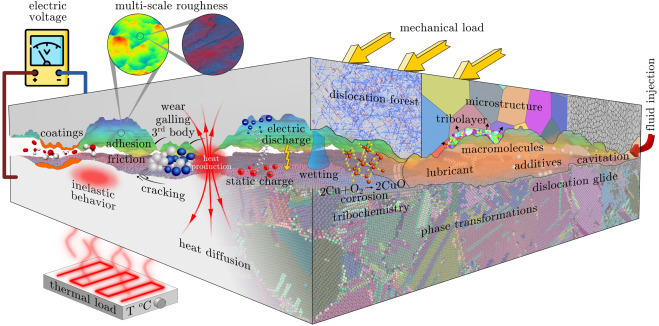
Week: 01 June – 06 June 2026
⚡ Top 5 Signals This Week
- OPEC+ agreed to another production increase of 411,000 bpd for July, signaling confidence in supply growth but increasing pressure on refiners and base-oil margins. This is the third consecutive monthly increase.
Tribology impact: Lower crude expectations may ease lubricant feedstock inflation but pressure lubricant producers’ margins. - New research demonstrated self-healing tribofilms capable of restoring wear-damaged interfaces during operation, a major development for long-life industrial lubrication systems.
- Data-center cooling fluids emerged as one of the fastest-growing lubricant-adjacent markets as hyperscale AI facilities accelerated adoption of immersion cooling technologies.
- Several new EV transmission fluid studies showed that electrical current-induced lubricant degradation is becoming a significant reliability concern for high-voltage drivetrains.
- The marine sector accelerated adoption of environmentally acceptable lubricants (EALs) ahead of tightening environmental compliance requirements.
Executive Summary
Unlike previous weeks that were dominated by lubricant supply disruptions and hydrogen tribology, the week of 1–6 June 2026 was characterized by three new themes:

- Energy market stabilization following OPEC+ production decisions.
- Rapid growth in thermal-management fluids for AI infrastructure.
- Increased focus on electrification-related tribology challenges.
The week’s developments suggest that future tribology growth will increasingly come from:
- AI infrastructure,
- electrified mobility,
- self-healing materials,
- sustainable lubrication technologies.
1. Oil & Base Oil Market Intelligence
OPEC+ Increases Production Again
Key Numbers

| Metric | Value |
|---|---|
| July production increase | 411,000 bpd |
| Consecutive monthly increases | 3 |
| Additional production since April | ~1.37 million bpd |
Market Impact
The decision reflects:
- improved supply confidence,
- attempts to stabilize global energy markets,
- competition for market share.
Tribology Impact
Potential implications include:

✅ Reduced pressure on lubricant feedstocks
✅ Improved base-oil availability
✅ Lower risk of emergency lubricant price increases
⚠ Continued pressure on refining profitability

Engineering Takeaway
Maintenance teams may benefit from more stable lubricant procurement conditions during H2 2026.

2. Data Center Cooling Becomes a Tribology Market
AI Infrastructure Driving Fluid Innovation
The rapid expansion of AI computing infrastructure continued creating demand for:
- dielectric cooling fluids,
- immersion cooling systems,
- thermally stable synthetic fluids,
- low-volatility lubricants.
Market Indicators
| Indicator | Value |
|---|---|
| AI data-center power growth | >30% YoY |
| Immersion cooling growth | High |
| Key fluid requirement | Dielectric stability |
Why Tribologists Care
The same fluid properties critical for lubrication are now essential for:
- heat transfer,
- oxidation resistance,
- fluid stability,
- long service life.
Emerging Opportunity
Many lubricant companies are increasingly positioning themselves as:
“thermal-management fluid suppliers”
rather than only lubricant manufacturers.
3. Self-Healing Tribology Research
Tribofilms That Repair Themselves
One of the most important research developments this week involved self-healing tribological surfaces.
Key Findings
Researchers demonstrated:
| Performance Metric | Result |
|---|---|
| Wear scar recovery | Significant |
| Friction stability | Improved |
| Surface restoration | Demonstrated |
| Service life extension potential | High |
How It Works
During operation:
- Wear occurs.
- Reactive additives activate.
- Protective tribofilms regenerate.
- Surface damage is partially repaired.
Tribology Impact
Potential future applications:
- wind turbine gearboxes,
- aerospace bearings,
- industrial gear systems,
- mining equipment.
This represents a major step toward:
maintenance-free tribological systems.
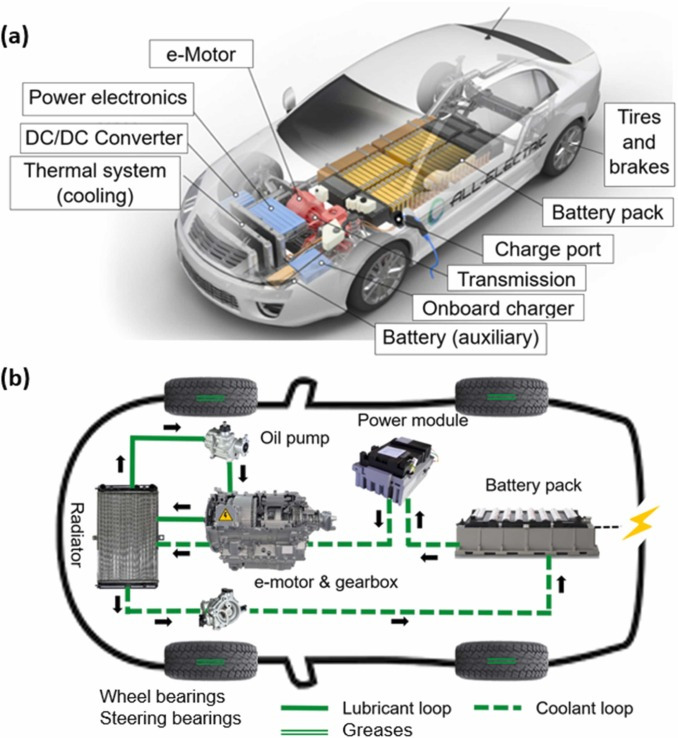
4. EV Tribology: Electrical Current Damage
New Reliability Challenge Emerging
Researchers continued reporting concerns regarding:
- stray electrical currents,
- lubricant conductivity changes,
- bearing electrical erosion,
- dielectric breakdown.
Key Failure Mechanisms
| Mechanism | Effect |
|---|---|
| Electrical discharge | Surface pitting |
| Arcing | Bearing damage |
| Lubricant degradation | Reduced life |
| Thermal stress | Oxidation |
Tribology Impact
As EV voltages continue increasing:
- lubricant chemistry must evolve,
- bearing protection becomes more critical,
- electrical-tribological interactions become a major research field.
Industry Direction
A growing portion of tribology R&D is now focused on:
electro-tribology.
Link: https://www.sciencedirect.com/science/article/pii/S0927796X24000858
5. Marine Lubrication Transition
Environmental Lubricants Gain Momentum
The marine sector accelerated adoption of:
- biodegradable lubricants,
- environmentally acceptable lubricants (EALs),
- low-toxicity hydraulic fluids.
Drivers
| Driver | Importance |
|---|---|
| Environmental regulations | High |
| Offshore wind growth | High |
| Marine sustainability targets | High |
| Port compliance requirements | Increasing |
Tribology Impact
New lubricant formulations must balance:
- biodegradability,
- oxidation resistance,
- wear protection,
- water contamination tolerance.
Engineering Challenge
Developing sustainable lubricants without sacrificing tribological performance remains a major R&D focus.

6. Surface Engineering Spotlight
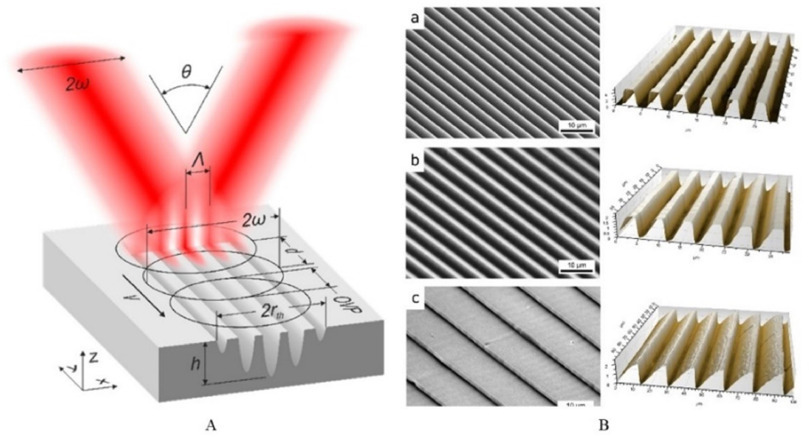
Laser Surface Texturing Moves Toward Industrial Deployment
Several industrial studies highlighted increased deployment of:
- micro-textured bearing surfaces,
- laser-generated lubricant reservoirs,
- engineered friction-control patterns.
Reported Benefits
| Parameter | Improvement |
|---|---|
| Friction reduction | 10–30% |
| Lubricant retention | Increased |
| Wear resistance | Improved |
| Energy efficiency | Improved |
Applications
- compressors,
- hydraulic systems,
- bearings,
- EV transmissions.
Tribology Impact
Surface engineering is increasingly being used to complement—not replace—lubrication.
Link: https://www.sciencedirect.com/science/article/pii/S2666523923001472
- Company Watch
FUCHS
FUCHS continued expanding specialty lubricant offerings targeting:
- EV applications,
- thermal-management fluids,
- industrial reliability solutions.
Strategic Relevance
The company is increasingly exposed to:
- electrification,
- sustainable lubrication,
- advanced industrial fluids.
Shell Lubricants
Shell continued emphasizing:
- immersion cooling fluids,
- EV fluids,
- digital lubricant monitoring.
Strategic Relevance
The market is moving beyond traditional engine oils toward integrated fluid-management ecosystems.
Technology Watch
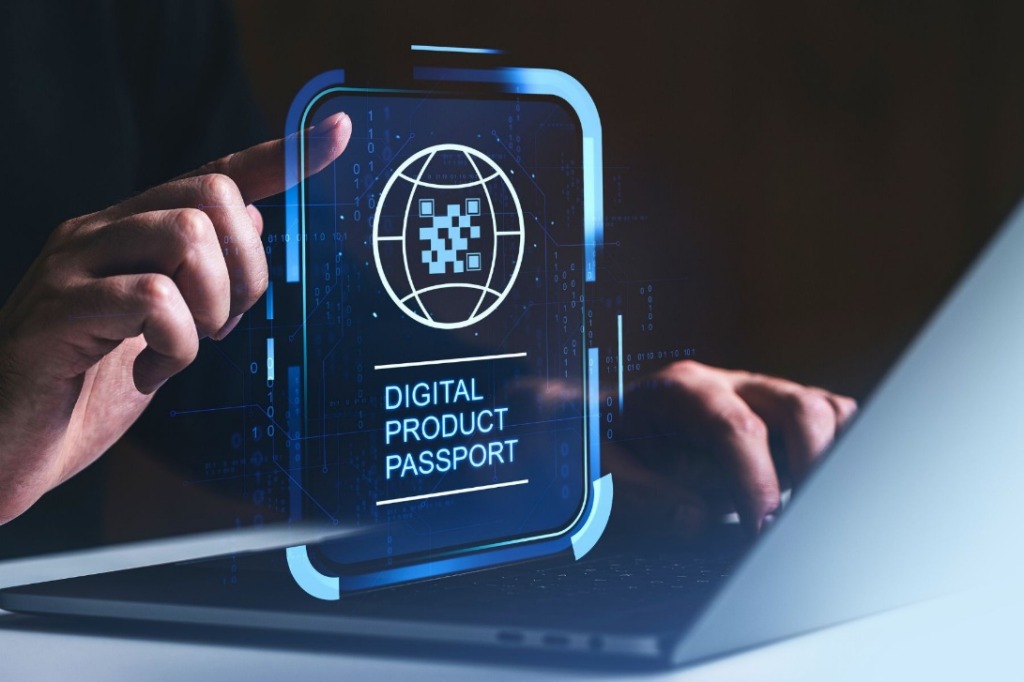
Digital Lubricant Passports
A growing industry trend discussed this week involved:
- lubricant traceability,
- lifecycle tracking,
- condition history records,
- digital maintenance integration.
Why It Matters
Future lubrication systems may include:
- QR-based lubricant records,
- AI-generated maintenance recommendations,
- real-time condition history.
This could significantly improve:
- compliance,
- lubricant selection,
- predictive maintenance accuracy.
Link: https://cator-sa.com/en/what-is-the-digital-product-passport-dpp/
Weekly Industry Snapshot
| Segment | Weekly Direction |
|---|---|
| Crude Oil Markets | Stabilizing |
| Base Oil Supply | Improving |
| AI Cooling Fluids | Rapid Growth |
| EV Tribology | Expanding |
| Marine Lubricants | Growing |
| Self-Healing Surfaces | Emerging |
| Laser Surface Texturing | Accelerating |
Engineering Insight of the Week
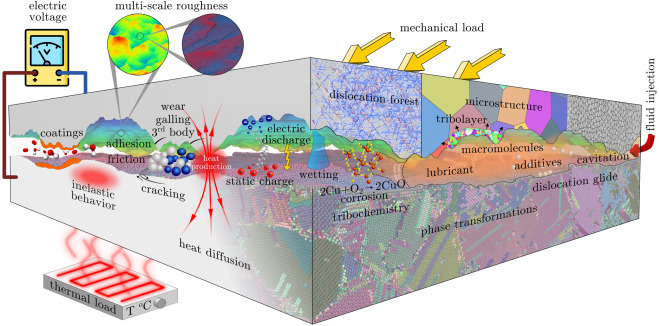
Tribology Is Expanding Beyond Mechanical Systems
For decades, tribology was primarily associated with:
- bearings,
- gears,
- engines.
Today, major growth opportunities are emerging in:
- AI data centers,
- EV power electronics,
- hydrogen systems,
- advanced thermal management.
The industry’s next growth cycle may be driven as much by heat transfer and electrification as by traditional friction and wear control.
Link: https://www.sciencedirect.com/science/article/pii/S0301679X25008217
References
- OPEC+ July 2026 Production Increase Announcements (Reuters, June 2026)
- STLE Technical Publications and June 2026 Research Updates
- Tribology International – Self-Healing Tribofilm Research (May–June 2026)
- Wear Journal – Electro-Tribology and EV Lubrication Studies (2026)
- International Maritime Organization (IMO) Environmental Lubricant Guidance
- FUCHS Sustainability & EV Fluid Technology Updates
- Shell Lubricants Thermal Management & Immersion Cooling Programs
- Surface Topography and Laser Texturing Research Publications (2026)
0 Comment