







TriboNet Weekly: Global Tribology, Lubrication & Surface Engineering Intelligence May 11-16, 2026

Week: 11 May – 16 May 2026
Executive Summary
The global tribology and lubrication industry experienced another highly volatile week as energy-market instability, elevated crude pricing, and industrial reliability concerns continued reshaping maintenance and lubrication strategies worldwide.
The most important macro driver remained crude oil volatility linked to Middle East conflict escalation and shipping disruptions around the Strait of Hormuz. Brent crude traded above the psychologically important US$110/bbl level during the week, increasing pressure on lubricant feedstocks, transportation costs, and industrial operating expenses.

Simultaneously, industrial reliability spending accelerated globally, particularly in:
- predictive maintenance,
- condition monitoring,
- contamination control,
- wind turbine bearing reliability,
- hydrogen-compatible materials engineering.
The week also highlighted growing industrial focus on advanced coatings, surface engineering, and AI-assisted lubrication systems as companies attempt to offset rising energy and maintenance costs.
1. Global Energy & Lubricant Market Intelligence
1.1 Crude Oil Market

Weekly Performance
| Indicator | Value | Weekly Trend |
| Brent crude peak | ~US$112/bbl | ↑ |
| Brent crude latest | ~US$110/bbl | ↑ |
| WTI crude latest | ~US$101–102/bbl | ↑ |
| Highest 2026 Brent level referenced | US$126.41/bbl | Historical 2026 peak |
Reuters and WSJ market reports showed crude markets remained highly sensitive to:
- Iran conflict developments,
- Strait of Hormuz shipping security,
- tanker movement disruptions,
- refinery supply concerns.
Oil prices rose more than 3% during parts of the week after renewed concerns over U.S.–Iran conflict escalation and possible maritime disruption.
Strategic Tribology Impact

Higher crude prices directly affect:
- base oil pricing,
- synthetic lubricant economics,
- additive manufacturing costs,
- industrial maintenance budgets.
This week clearly reinforced the shift toward:
- lubricant life extension,
- contamination reduction,
- lower-friction system engineering,
- predictive maintenance investment.
1.2 Base Oil & Lubricant Supply Chain

Key Developments
Industrial lubricant producers continued facing:
- elevated transport costs,
- additive supply-chain pressure,
- volatility in refining margins,
- freight insurance escalation.
SKF specifically stated fuel-cost inflation linked to the Iran conflict forced pricing adjustments.
Market Intelligence
Goldman Sachs raised several 2026 oil price expectations:
- Brent forecast increased to US$85/bbl average for 2026,
- tighter Middle East supply conditions cited as key driver.
HSBC also revised 2026 Brent assumptions upward to approximately US$95/bbl under tightening geopolitical conditions.
Tribology Relevance
Elevated feedstock costs are accelerating adoption of:
- higher-drain interval lubricants,
- synthetic formulations,
- advanced filtration systems,
- online oil monitoring technologies.
2. Industrial Reliability & Predictive Maintenance
2.1 Condition Monitoring Expansion
Industrial operators globally continued increasing investments in:
- AI-driven diagnostics,
- vibration analytics,
- debris monitoring,
- oil condition sensing.
The key objective is reducing:
- unplanned downtime,
- catastrophic bearing failure,
- lubricant overconsumption.
Market Drivers
The predictive maintenance market continues expanding due to:
- rising industrial automation,
- higher downtime costs,
- reliability-focused manufacturing strategies.
SKF and multiple industrial OEMs highlighted predictive monitoring as a strategic growth area for 2026.
Engineering Impact
Predictive lubrication systems are now evolving from optional maintenance tools into operationally critical infrastructure.
Industrial operators increasingly measure:
- lubricant contamination levels,
- water ingress,
- particle concentration,
- wear debris trends,
- thermal instability.
3. Wind Energy Tribology Intelligence
3.1 Bearing Reliability Remains Major Industry Concern
Wind-energy systems remained one of the most discussed reliability topics during the week.
Critical Failure Areas
Key tribology concerns include:
- white etching cracks (WEC),
- rolling contact fatigue,
- grease degradation,
- electrical discharge damage.
SKF India emphasized rising demand for high-capacity bearings in wind turbines designed to:
- improve energy output,
- reduce lubricant consumption,
- extend operational life.

4.2 ExxonMobil
ExxonMobil continued emphasizing downstream resilience and refining performance amid volatile oil markets.
Key Industrial Relevance
ExxonMobil remains heavily exposed to:
- base oil economics,
- industrial lubricant demand,
- synthetic fluid development,
- EV and hybrid fluid technologies.
The company also maintained collaboration momentum with Chinese EV giant BYD regarding hybrid technology development.
Tribology Implications
Major lubricant suppliers are increasingly prioritizing:
- thermal efficiency,
- extended drain intervals,
- EV drivetrain fluids,
- energy-efficient lubrication systems.
5. Surface Engineering & Coatings
5.1 Surface Engineering Momentum Accelerates
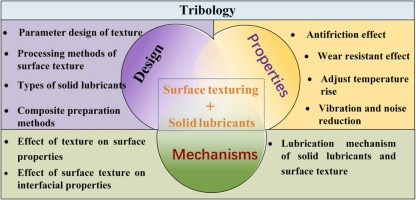
One of the strongest engineering trends this week was the increasing convergence of:
- coatings,
- surface texturing,
- advanced lubricants,
- engineered tribofilms.
Key Technologies Receiving Attention
- DLC (diamond-like carbon) coatings,
- graphene-enhanced surfaces,
- nano-composite coatings,
- MoS₂ solid lubricants,
- laser surface texturing.
Why This Matters
Industrial OEMs increasingly view friction reduction as a system-level engineering strategy rather than solely a lubricant challenge.
Performance Benefits
Advanced surface engineering can:
- reduce friction losses,
- improve fuel efficiency,
- reduce heat generation,
- extend component life,
- improve wear resistance.
Link: https://www.sciencedirect.com/science/article/abs/pii/S2352492823005457
6. Hydrogen Tribology & Materials Engineering
6.1 Hydrogen Infrastructure Challenges
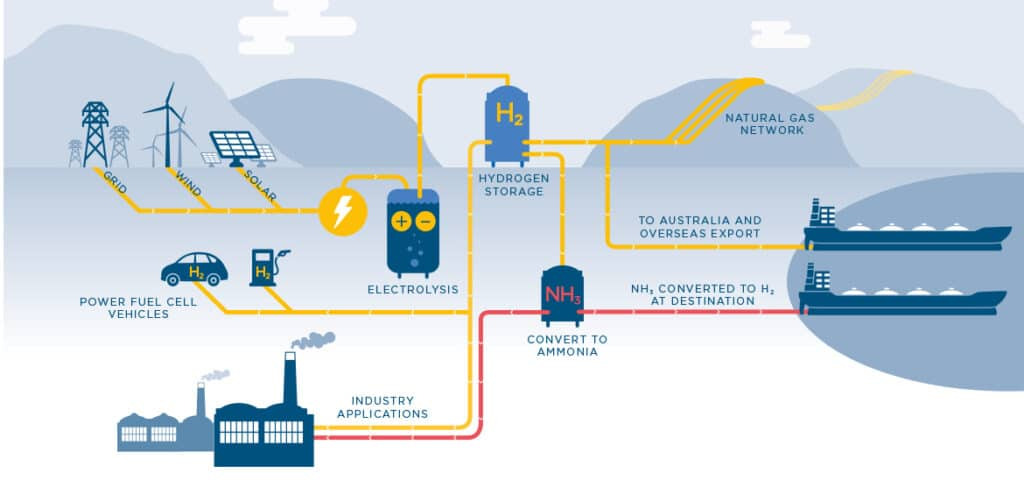
Hydrogen-compatible tribology systems remained a major emerging engineering focus area.
Key Technical Challenges
Hydrogen systems create severe risks involving:
- hydrogen embrittlement,
- seal degradation,
- accelerated crack propagation,
- lubrication instability.
Industrial Impact
Hydrogen infrastructure requires:
- advanced sealing materials,
- chemically stable lubricants,
- specialized coatings,
- hydrogen-resistant bearing systems.
Strategic Importance
Hydrogen tribology is rapidly emerging as one of the highest-growth future engineering domains due to:
- decarbonization initiatives,
- industrial hydrogen deployment,
- fuel-cell infrastructure growth.
Link: https://energytracker.asia/hydrogen-infrastructure/
7. Research & Advanced Materials Intelligence
7.1 2D Materials & Nano-Lubrication
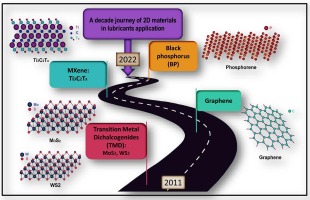
Research activity continued expanding around:
- MXenes,
- graphene,
- nano-sheet lubrication,
- ultra-low-friction surfaces.
Research Findings
Recent tribology studies demonstrated that nano-sheet materials can:
- reduce nanoscale friction,
- improve wear resistance,
- stabilize tribofilms,
- improve high-temperature lubrication performance.
Potential Industrial Applications
- aerospace systems,
- MEMS devices,
- EV powertrains,
- vacuum lubrication,
- high-temperature systems.
Link: https://www.sciencedirect.com/science/article/abs/pii/S245226272300017X
8. Financial & Macro Indicators
8.1 Currency & Inflation Pressure
India’s rupee weakened significantly amid oil-price escalation concerns. Reuters reported the rupee moved beyond ₹96/USD during the broader conflict-driven energy market shock.
Engineering Implications for India
Higher oil prices create:
- increased lubricant import costs,
- higher industrial operating expenses,
- rising logistics costs,
- margin pressure for manufacturing firms.
8.2 Bond & Industrial Financing Pressure
Global bond yields rose sharply due to inflation concerns tied to elevated energy prices.
This may slow:
- capital equipment investment,
- industrial expansion projects,
- maintenance modernization spending.
However, reliability investments continue receiving priority because downtime costs remain substantially higher than preventive maintenance costs.
9. Technology Watch
AI-Integrated Lubrication Systems
The strongest emerging technology theme this week was the integration of:
- machine learning,
- lubricant analytics,
- predictive monitoring,
- automated maintenance systems.
Expected Industry Direction
Future lubrication systems will increasingly feature:
- self-diagnosing machinery,
- automated oil analysis,
- adaptive lubrication dosing,
- digital twin reliability systems.
10. Events & Conferences
STLE Annual Meeting & Exhibition 2026
Date
17–21 May 2026
Focus Areas
- lubrication engineering,
- tribology,
- reliability engineering,
- industrial sustainability,
- advanced materials.

Key Strategic Takeaway
The week of 11–16 May 2026 reinforced a major global transition in tribology and lubrication engineering:
The industry is no longer driven primarily by lubricant volume growth.
Instead, the dominant drivers are now:
- reliability optimization,
- energy efficiency,
- predictive maintenance,
- contamination control,
- advanced surface engineering,
- digital monitoring,
- hydrogen-compatible materials.
Companies that integrate tribology with AI, advanced materials science, and predictive reliability engineering are increasingly positioned to outperform traditional maintenance-centric models.
References
- Reuters – Oil prices and Middle East conflict developments
https://www.reuters.com/business/energy/oil-rises-more-than-1-after-drone-attack-uae-nuclear-power-plant-2026-05-17/ - Reuters – Oil climbs more than 3% on U.S.–Iran concerns
https://www.reuters.com/world/middle-east/oil-rises-fears-ship-attacks-seizures-persist-2026-05-15/ - Reuters – Oil settles higher amid fading peace hopes
https://www.reuters.com/business/energy/oil-prices-rise-fragile-us-iran-talks-sustain-supply-worries-2026-05-12/ - Reuters – SKF raises prices after Iran war fuel inflation
https://www.reuters.com/business/bearings-maker-skfs-q1-profit-falls-less-than-expected-says-iran-war-increases-2026-04-21/ - Reuters – ExxonMobil Q1 market outlook
https://www.reuters.com/business/energy/exxon-signals-q1-upstream-profit-bump-iran-war-downstream-boost-later-quarters-2026-04-08/ - Reuters – Goldman Sachs raises Brent forecasts
https://www.reuters.com/business/energy/goldman-sachs-raises-2026-brent-crude-average-price-forecast-by-8-85-barrel-2026-03-23/ - Reuters – HSBC raises Brent forecast to US$95/bbl
https://www.reuters.com/business/energy/analysts-reassess-oil-price-estimates-iran-conflict-disrupts-markets-2026-04-27/ - Reuters – Rupee under pressure from oil shock
https://www.reuters.com/world/india/rupee-seen-testing-record-lows-bonds-extend-fall-iran-war-jitters-2026-05-18/ - Reuters – Global bond market volatility and oil inflation
https://www.theguardian.com/business/live/2026/may/18/bond-market-rout-inflation-fears-gilts-yields-burnham-imf-reeves-live-updates - SKF India management discussion on wind-energy bearings
https://www.indiainfoline.com/company/skf-india-ltd/management-discussions
0 Comment