







Graphene-Based Materials for Tribological Engineering Applications
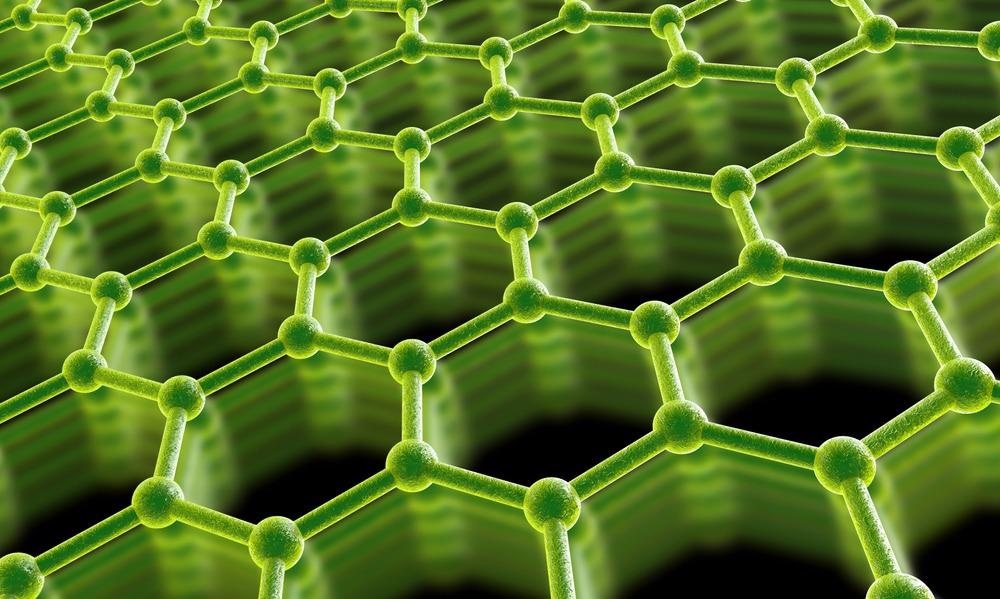
Graphene has been applied on several products, from electronic devices to additives for concrete and polymers due to its unique mechanical, electrical and thermal properties . A growing interest is the use of graphene-based materials in mechanical applications to reduce...
Graphene based metamaterials
Introduction Material science has always been the cornerstone of major technological developments of humankind. Achieving commercial flight capability, micro chips, space flight and deep sea exploration are in one way or the other interlinked with development of high grade advanced...

Friction Forces Between 2D Materials and Liquids
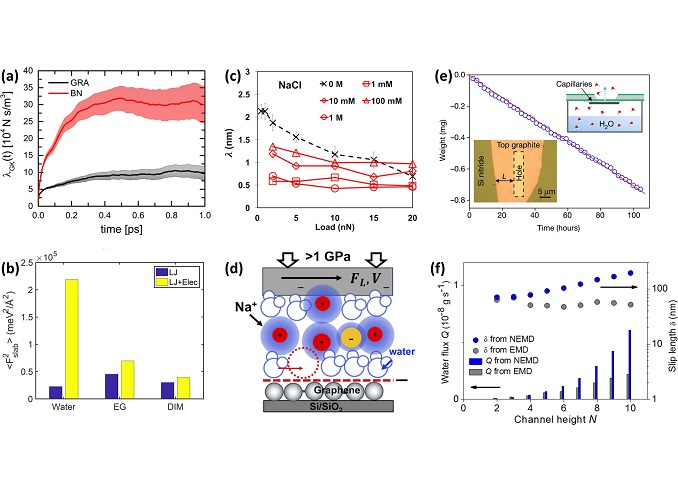
2D materials deserved an interest in material science and other disciplines due to their exciting electronic, mechanical, and optical properties. The unique behavior of these materials originate from very strong in-plane atoms interactions and very weak van der Waals out-of-plane...
Origins of Friction
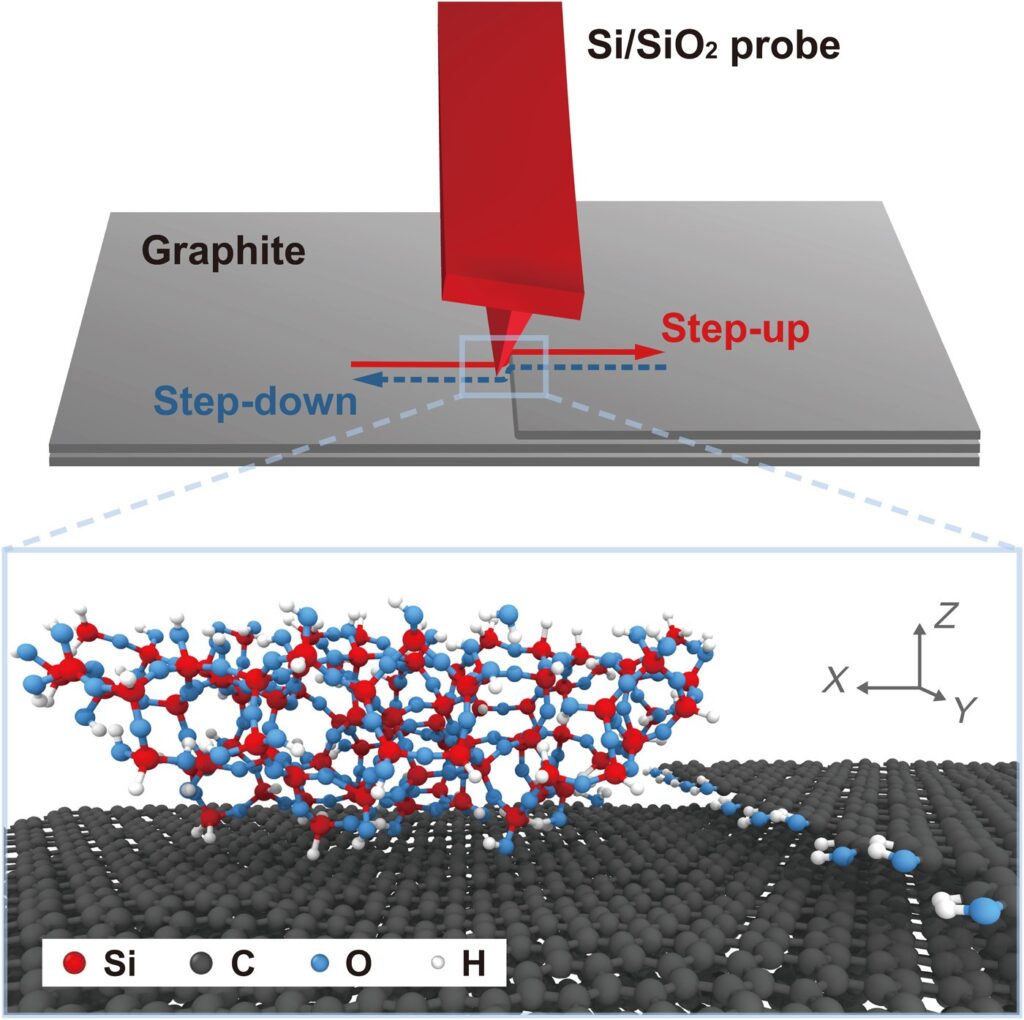
A one million dollar question for a tribologist is as follows: where does the friction come from? Despite the undeniable progress in tribology in recent years, this question remains there. But there is a light at the end of the...


Graphene vs. MoS2: Which One Has Lower Friction?
Two-dimensional (2D) materials, layered structures having atomic- to nano-scale thickness, have shown unique physical properties such as high in-plane stiffness combined with extremely low out of plane bending rigidity. 2D materials have been used in variety of applications including micro-...
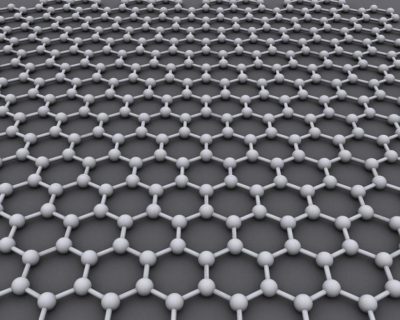
Bi-layered materials: graphene – no heat, no friction; h-BN – as strong as diamond.
A group of researchers from Queen’s University Belfast have discovered a stretchy miracle material that could be used to create highly resistant smart devices and scratch-proof paint for cars. Led by Dr Elton Santos from the University’s School of Mathematics...


Graphene based solid lubricant reduces friction and wear
This composite image depicts the makeup and performance of a new non-liquid lubricant developed by researchers at Purdue University. (Purdue University image/ Abdullah A. Alazemi) Download image. WEST LAFAYETTE, Ind. – Researchers have created a new type of non-liquid lubricant...
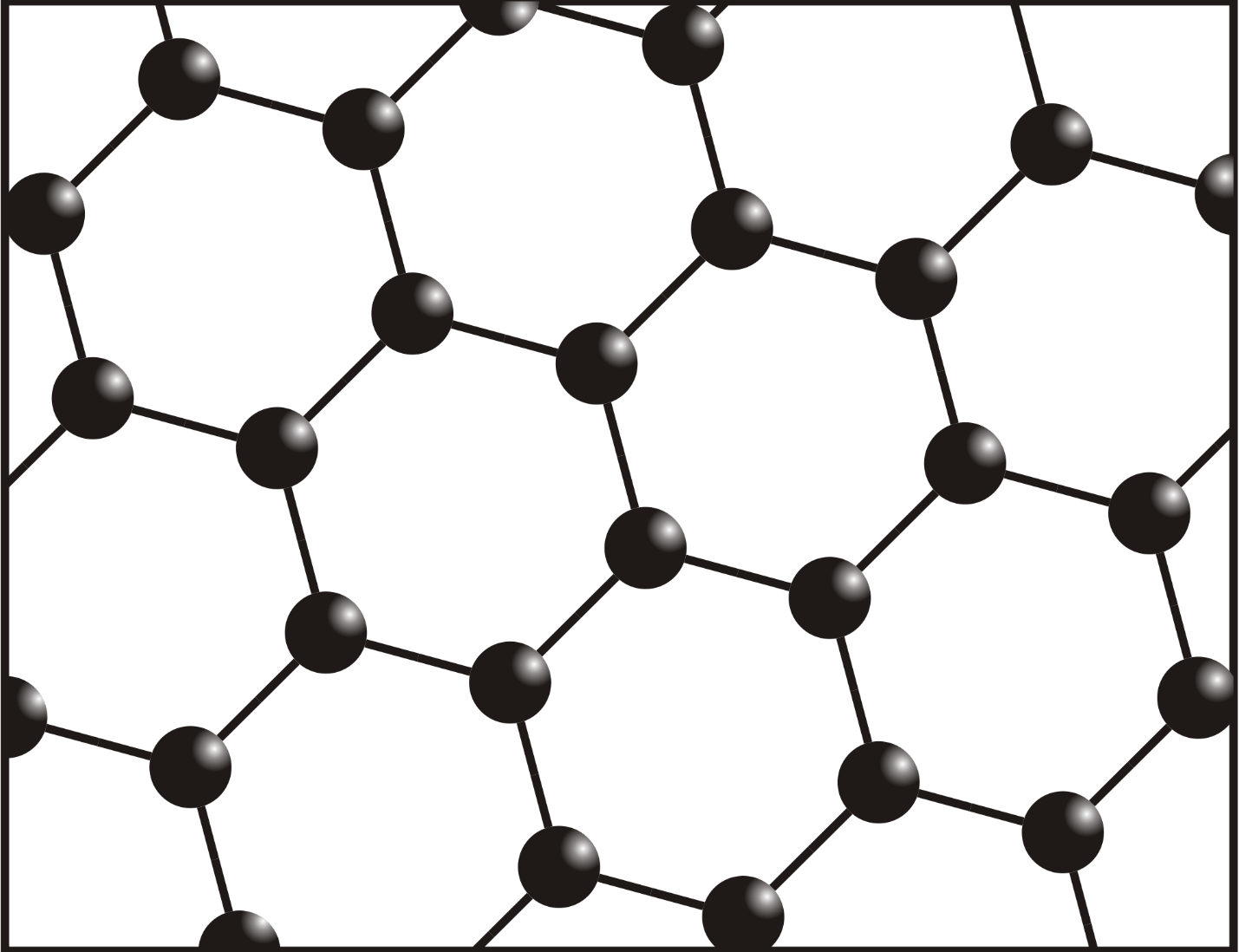
The Science of Friction on Graphene
Sliding on flexible graphene surfaces has been uncharted territory until now, Graphene, a two-dimensional form of carbon sheets just one atom thick, has been the subject of widespread research, in large part because of its unique combination of strength, electrical...

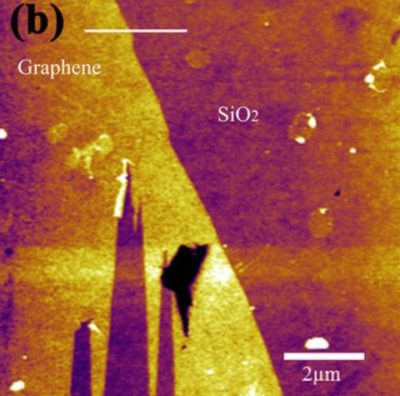
Controlling friction of graphene
Graphene, a wonder just one atom thick material, shows incredible wear-resistance and super low friction levels. This behavior is ascribed to its low inter-layer shear properties and high normal load carrying capabilities. However, in many cases controlling friction is preferable....
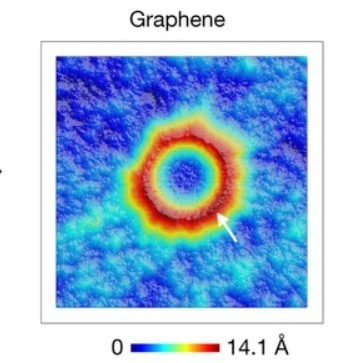
Evolving friction of graphene
Two-dimensional materials are defined as substances with the thickness less than few nanometers. While there may exist around 500 of various 2D materials, the first discovered 2D material is graphene. Graphene is flexible, transparent, possesses higher conductivity than copper and...