







TriboNet Weekly: Global Tribology, Lubrication & Surface Engineering Intelligence June 22-27, 2026

Week: 22–27 June 2026
Weekly Key Takeaways
- Crude oil markets remained resilient as geopolitical tensions supported prices, while OPEC+ maintained production discipline to balance global supply.
- Premium lubricants continued to outperform, with strong demand for Group II/III base oils, synthetic lubricants, and EV-specific fluids driven by evolving OEM requirements.
- Digital lubrication gained momentum, as industries increasingly adopted predictive maintenance, online oil condition monitoring, and AI-enabled reliability solutions.
- Tribology research focused on AI and advanced surfaces, with significant attention on machine learning for wear prediction, DLC coatings, laser texturing, and sustainable lubrication technologies.
- Lubricant manufacturers prioritized innovation over volume, expanding investments in high-performance products, e-mobility solutions, and sustainability to meet changing industrial and automotive needs.
1. Global Oil Market
Market Snapshot

| Factor | Status | Impact |
|---|---|---|
| Brent crude | Stable with volatility | ↑ |
| WTI | Moderate gains | ↑ |
| OPEC+ | Supply discipline maintained | ↑ |
| Middle East tensions | Elevated | ↑ |
| Chinese demand | Mixed | ↓ |
| Summer fuel demand | Strong | ↑ |
Analysis
Although inventories remained comfortable, concerns over the Strait of Hormuz and regional instability maintained a geopolitical risk premium in crude prices. Refiners entered the summer driving season with healthy utilization rates, supporting crude demand.
Impact on lubricants: Stable crude prices help refiners maintain predictable feedstock costs for base oils, though sustained geopolitical disruptions could tighten margins.
References
- OPEC Monthly Oil Market Report
- IEA Oil Market Outlook
- Reuters Energy

Link: https://discoveryalert.com.au/crude-oil-prices-2025-market-dynamics-geopolitics/
2. OPEC+ and Upstream
OPEC+ continued its strategy of gradual production management rather than abrupt output changes. Members balanced price stability with market share, while U.S. shale producers prioritized capital efficiency over rapid expansion.
Key Observations
- No emergency production changes.
- Middle East exports remained largely uninterrupted.
- Asian refiners continued steady crude purchases.
Industry Implication
A stable upstream environment supports consistent base oil production and reduces supply shocks for lubricant manufacturers.
References
- OPEC
- IEA
- EIA
Link: https://discoveryalert.com.au/opec-2025-production-decisions-meeting-analysis/
3. Refining & Base Oil Industry
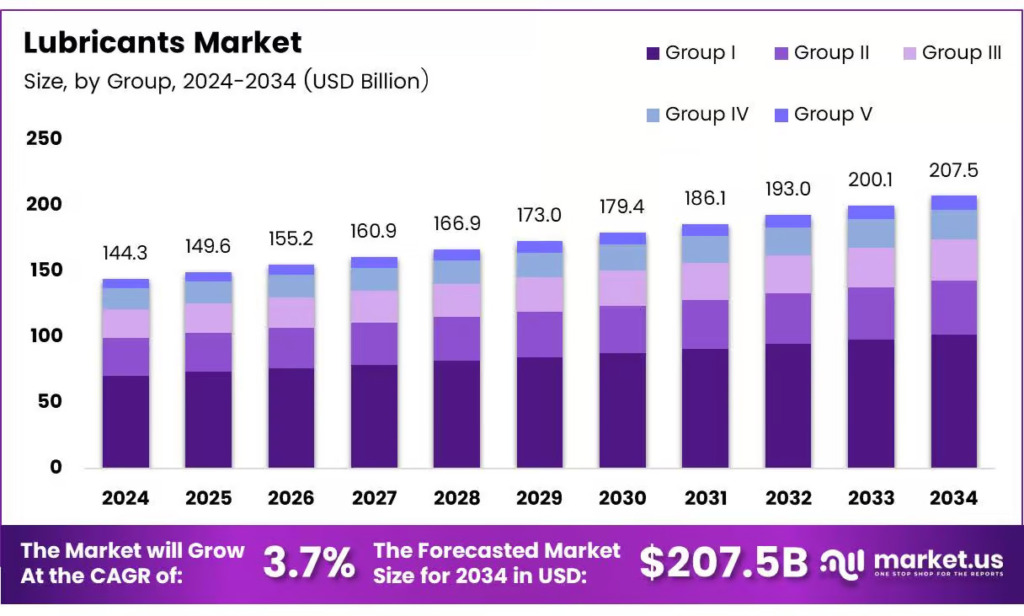
Group I
Demand remained healthy in industrial applications, though long-term structural decline continues due to shifts toward higher-performance formulations.
Group II
Strong demand from automotive and heavy-duty engine oils kept utilization high.
Group III
Premium synthetic base oils continued to benefit from:
- EV fluids
- Low-viscosity engine oils
- Extended drain intervals
Market Insight
Margins remained stable because crude prices and refinery operations were relatively balanced. No major supply disruptions were reported.
Impact
Group II and III base oils continue gaining market share at the expense of Group I.
Link: https://market.us/report/global-lubricants-market
4. Lubricant Industry Highlights
Automotive
OEMs increasingly recommend:
- SAE 0W-16
- SAE 0W-20
- Low-SAPS formulations
These oils improve fuel economy while meeting stricter emissions regulations.
Industrial
Growth areas:
- Condition monitoring
- Predictive lubrication
- Oil cleanliness
- Remote asset monitoring
Analysis
Lubricants are increasingly sold as part of integrated reliability solutions rather than standalone products.
5. Company Highlights
Shell
Focused on:
- Synthetic industrial lubricants
- EV thermal fluids
- Fleet optimization
- Sustainability
Strategic View: Shell continues positioning itself as a provider of reliability solutions rather than only lubricant products.
ExxonMobil
Expanded emphasis on:
- Mobil SHC synthetics
- Industrial reliability
- Digital maintenance partnerships
Key Trend: Premium synthetic products remain a major growth driver.
Castrol
Continued investment in:
- EV fluids
- Manufacturing lubricants
- Digital maintenance platforms
Market Impact: Strengthens Castrol’s presence beyond passenger vehicle oils.
FUCHS
Focused on:
- Specialty greases
- Food-grade lubricants
- Biodegradable products
- E-mobility fluids
Analysis: Specialty markets continue delivering higher margins than commodity lubricants.
IndianOil Servo
Continued strengthening:
- Industrial lubricants
- Rail lubrication
- Mining products
- OEM partnerships
6. Tribology Research
Major Themes
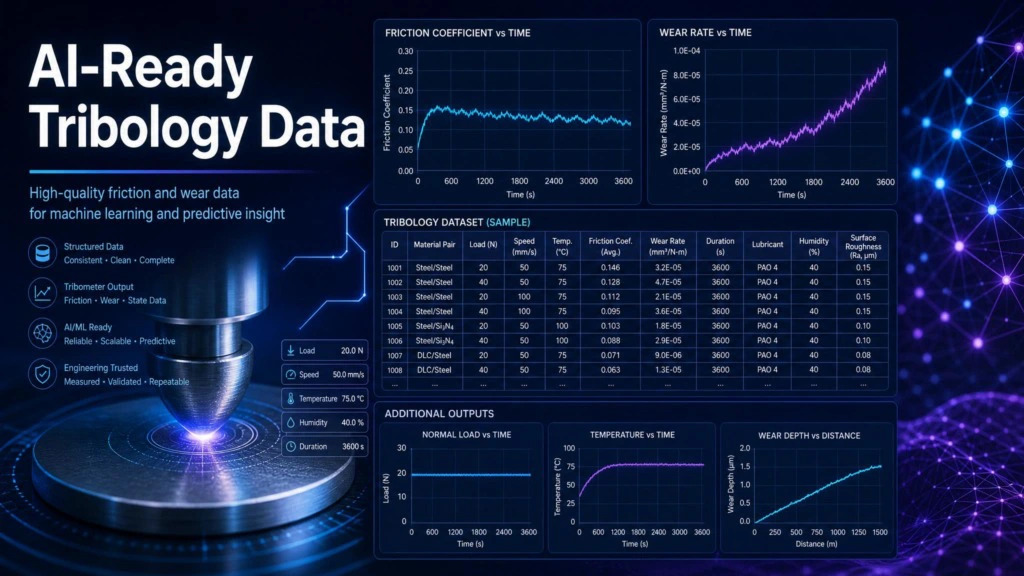
AI in Tribology
Researchers increasingly use machine learning for:
- Friction prediction
- Wear estimation
- Failure diagnosis
- Surface characterization
Why it matters: AI reduces testing time and improves maintenance decisions.
Link: https://www.tribonet.org/news/ai-ready-tribology-data-friction-wear-machine-learning/
Surface Engineering
Research emphasized:
- DLC coatings
- Laser texturing
- Nano-composite coatings
- Wear-resistant alloys
Expected benefits:
- Lower friction
- Longer component life
- Reduced lubricant consumption
Referece: https://www.mdpi.com/2075-4442/14/6/239
Sustainable Lubrication
Growing interest in:
- Bio-based oils
- Ester lubricants
- Nanolubricants
- Environmentally acceptable lubricants (EALs)

Reference: https://www.fluitec.com/2023/02/14/measuring-and-attaining-sustainable-lubrication/
7. Digital Lubrication
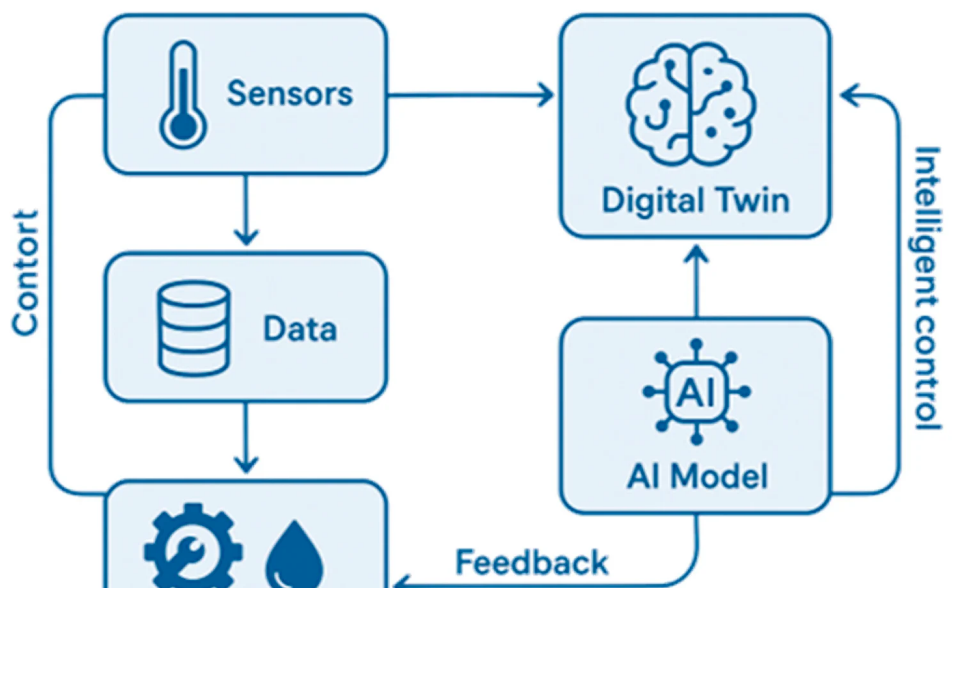
Industries increasingly adopted:
- Online oil sensors
- Wear particle analysis
- Vibration monitoring
- Predictive maintenance software
Leading sectors:
- Wind turbines
- Mining
- Steel
- Cement
- Power generation
Trend: Maintenance is shifting from schedule-based to condition-based strategies.
Link: https://www.mdpi.com/2075-4442/14/2/72
8. Emerging Technologies
| Technology | Maturity | Growth Potential |
|---|---|---|
| AI wear prediction | Medium | ★★★★★ |
| Smart lubrication | High | ★★★★★ |
| Nanolubricants | Medium | ★★★★☆ |
| DLC coatings | High | ★★★★☆ |
| Bio-lubricants | Medium | ★★★★☆ |
| Digital twins | Emerging | ★★★★★ |
9. Key Takeaways
Opportunities
- Growth in premium synthetic lubricants.
- Expansion of EV-specific fluids.
- Increased demand for predictive maintenance.
- AI-enabled tribology becoming commercially viable.
Risks
- Geopolitical disruptions affecting crude supply.
- Weak industrial output in some regions.
- Margin pressure from volatile feedstock costs.
- Rising sustainability regulations.
Selected References
- OPEC – Monthly Oil Market Report (June 2026) (https://www.cnbc.com/2026/06/29/strait-of-hormuz-shipping-iran-oil-war-us.html)
- International Energy Agency (IEA) – Oil Market Report (June 2026)
- U.S. Energy Information Administration (EIA) – Short-Term Energy Outlook
- TriboNet Weekly – June 8–20, 2026
- Lubes’n’Greases – Global Lubricant Industry News
- Reuters Energy – June 22–27, 2026
- Shell Lubricants Technical News
- ExxonMobil Mobil Industrial Reports
- FUCHS Sustainability & Product Updates
- IndianOil Servo Product & Industry News
- Tribology International
- Wear
- Friction
- STLE Technical Publications
0 Comment