








New STLE Report Examines Next-Generation Gear Lubricants for Electric Vehicles
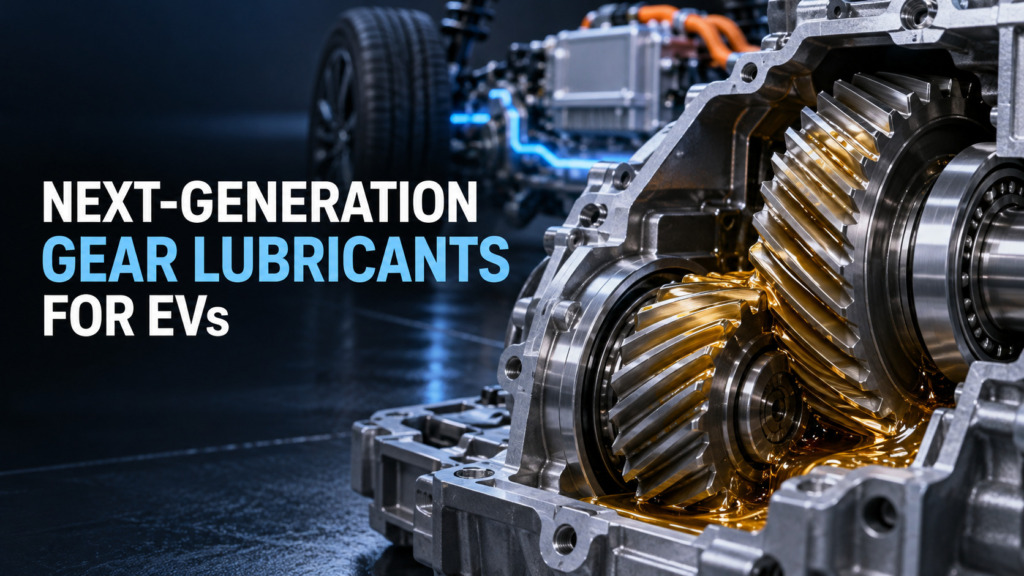
Achieving the right balance of efficiency, durability, and electrical performance is increasingly important in high-speed electric vehicle drivetrains.
The Society of Tribologists and Lubrication Engineers (STLE) has released a new free digital special report, Next-Generation Gear Lubricants for Electric Vehicles.
Why EV gear lubrication is changing
Electric vehicles are redefining drivetrain design. High-speed, compact gearboxes must operate under continuous loads and elevated temperatures, creating demanding conditions for both gears and lubricants.
Balancing efficiency and durability is a central challenge. Lower-viscosity fluids can improve energy efficiency, but they also reduce lubricant-film thickness and may increase wear risk. EV-specific electrical effects, including stray currents, add another layer of complexity that current test methods do not fully capture.

As EV adoption grows, dedicated gear lubricants will be critical to unlocking safe, efficient performance in the next generation of electric drivetrains. TriboNet readers can also explore our overview of lubricants in electric vehicles and our guide to electrified bearings and EV lubricant testing.
“This report reflects how quickly gear lubrication has had to evolve alongside electric drivetrain technology. Understanding the trade-offs between efficiency, durability, and electrical performance will be essential as EV adoption accelerates.”
Rebecca Lintow, CAE, STLE executive director
Download the free STLE report
The special report is available as a free digital download from STLE:

Download Next-Generation Gear Lubricants for Electric Vehicles
About STLE
The Society of Tribologists and Lubrication Engineers is a technical society serving more than 15,000 individuals and 200 companies and organizations in tribology and lubrication engineering. STLE supports technical professionals through research, education, certification, events, courses, and publications covering safety, energy use, maintenance, natural resources, wear, and productivity.
More information is available at www.stle.org.
0 Comment