







The Open Innovation Test Bed for Tribology
Since February 2023 an Open Innovation Test Bed (OITB) dedicated to Tribology and Material Characterization is open for work, i-TRIBOMAT: The European Tribology Centre. Figure 1. i-TRIBOMAT: The European Tribology Centre. Ever-growing customer demands lead to tougher material requirements. New high-performing...
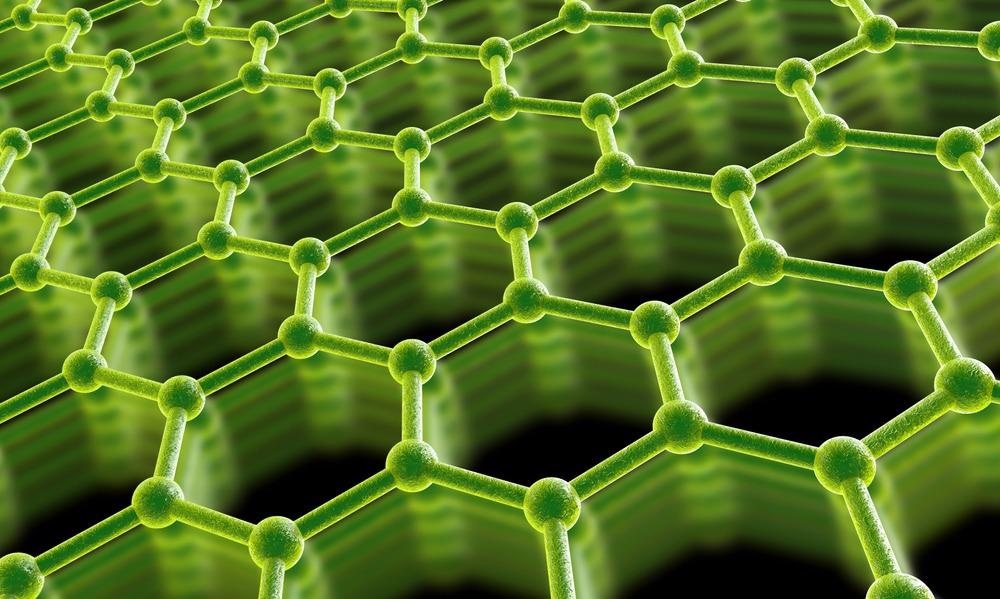
Graphene-Based Materials for Tribological Engineering Applications
Graphene has been applied on several products, from electronic devices to additives for concrete and polymers due to its unique mechanical, electrical and thermal properties . A growing interest is the use of graphene-based materials in mechanical applications to reduce...

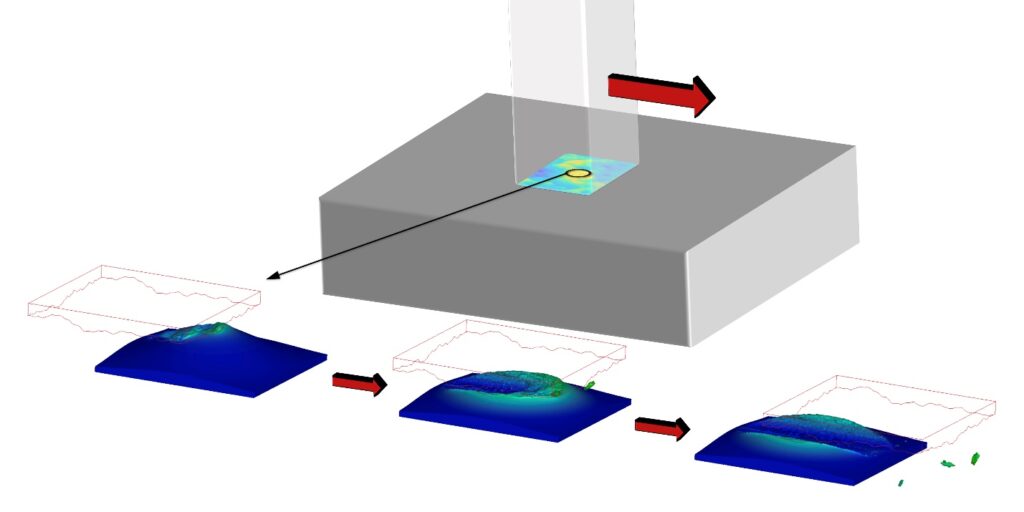
Understanding Wear in Micro-Scale Contacts: A Stress-State-Dependent Wear Model
Wear and tear are unavoidable consequences when surfaces come into contact, leading to performance degradation and reduced lifespan of various systems. To address this challenge, a groundbreaking study has developed a wear model that considers stress states and thermal effects...
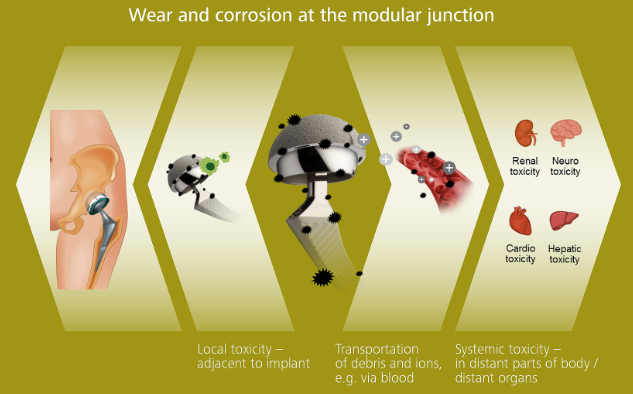
Implant Wear Debris and Adverse Reactions
Introduction Prosthetic devices make a significant difference in people’s lives by restoring mobility. However, during regular use, these devices produce small particles called wear debris. It’s important to understand the impact of wear debris as it can cause harmful reactions...


Lubrication and Energy Efficiency
Energy efficiency is a term used to describe the practice of using less energy to perform a specific task or achieve a particular outcome. It is an essential concept that has become increasingly important in recent years, given the growing...
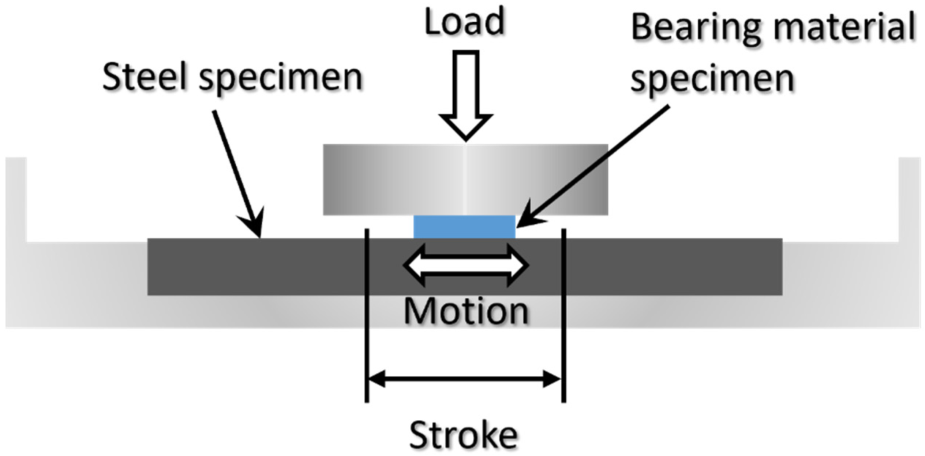
Reciprocating Sliding Friction and Wear test
Friction and wear are two important factors affecting mechanical components' performance and durability. Reciprocating sliding friction and wear tests evaluate the tribological properties of materials and coatings under simulated sliding conditions. These tests can provide valuable information on the wear...

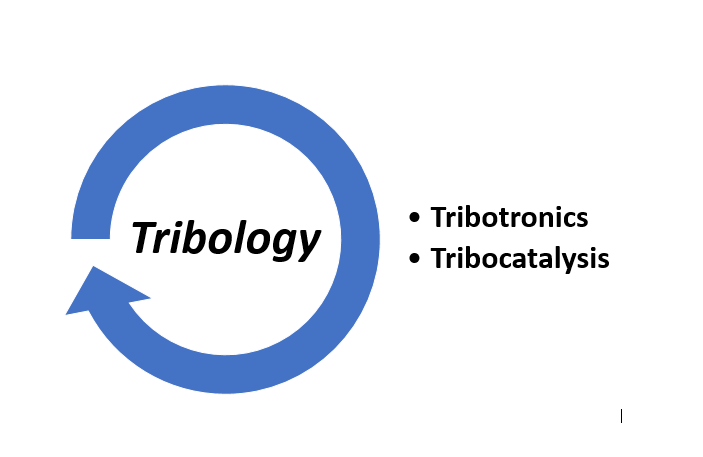
Lets learn about Tribotronics and Tribocatalysis
Tribotronics Tribotronics is a term coined by The Division of Machine Elements at Lulea University of Technology. Tribotronics in simple terms means developing an active tribological system or converting a passive tribological system into an active one. Tribotronics is still...
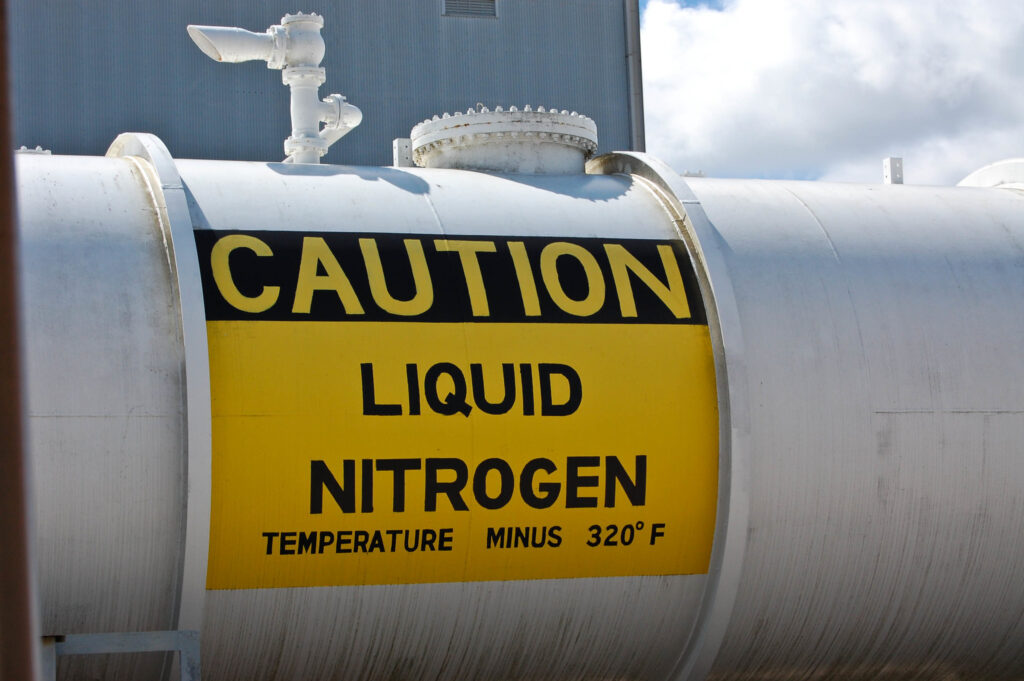
Cryogenic Treatment for Increased Wear Resistance
Introduction The word cryogenics is taken from two Greek words “Cryo” – meaning frost or freeze and “genics” – meaning produce or generate. In physics, cryogenics is the study of production of low temperatures and to study behavior of materials...

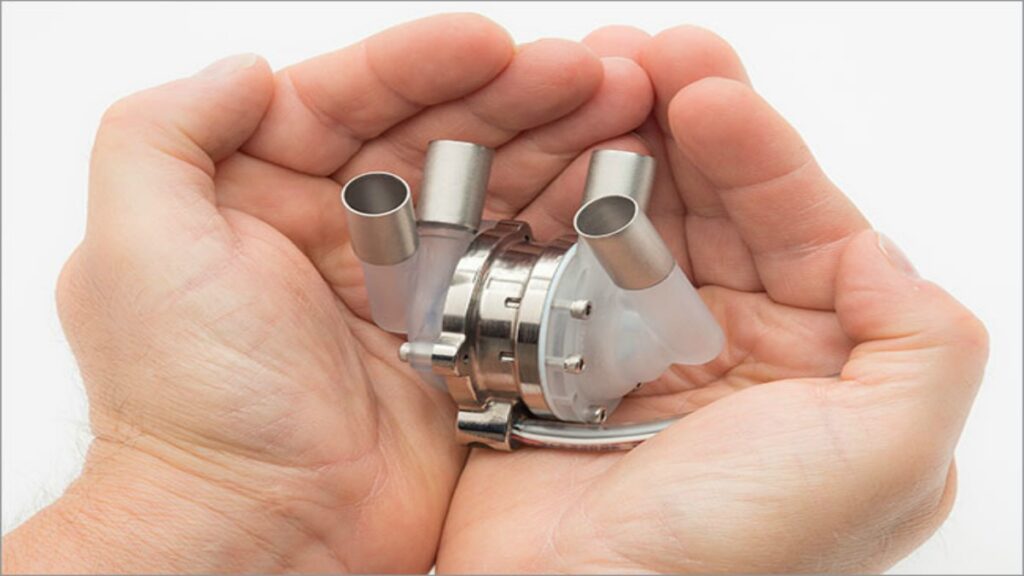
Tribology of Cardiac Implants
Introduction According to American Heart Association’s 2017 Heart Disease and Stroke Statistics Update, nearly 801,000 deaths in the US had cardiovascular disease as the underlying cause of death. That’s about 1 of every 3 deaths in the US [1]. Cardiovascular...
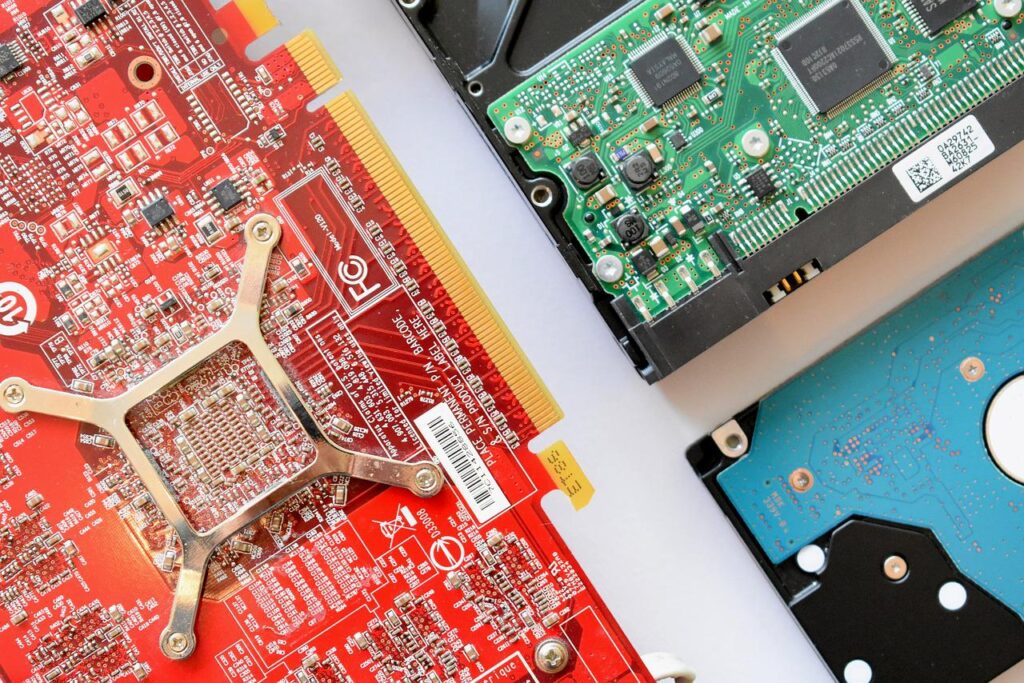
Tribological issues in MEMS devices
For the convenience of our readers who are not familiar with MEMS technology, we have first given a brief introduction to MEMS. Defining Microelectromechanical Systems (MEMS) In a simpler way, MEMS can be defined as the technology of microscopic...