







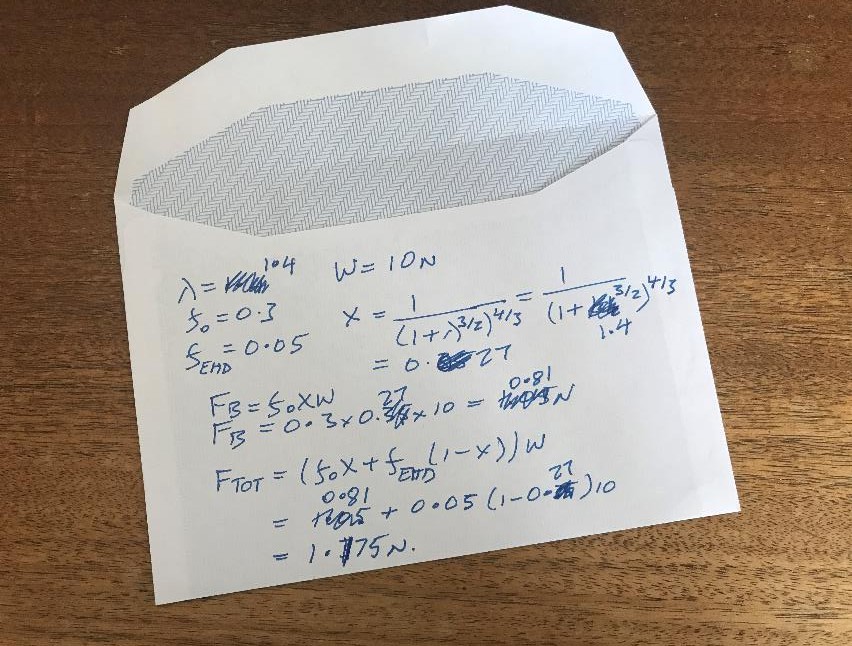
Can we calculate mixed and boundary friction forces “on the back of an envelope” ?
Can we calculate mixed and boundary friction forces “on the back of an envelope” ? Article by I. Sherrington and R. I. Talyor, Jost Institute for Tribotechnology, University of Central Lancashire, UK Prediction seems to be a complex problem Accurately...
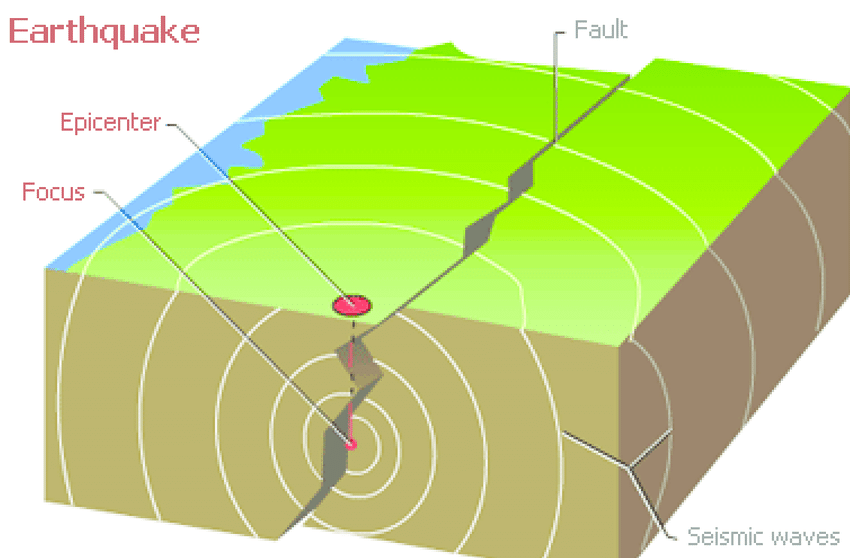
Early Mechanical Behaviors and Origins of Earthquakes — The Critical Role of Rock Friction in Earthquake Risk 2025
Introduction to Earthquakes Modelling Recent research by scientists at Duke University reveals a new computational model that sheds light on how earthquakes may begin — by capturing the microscopic friction dynamics inside fault zones long before seismic waves reach the...


In-situ vision tool wear monitoring using Artificial Intelligence
Introduction Industries like aerospace, nuclear, automotive, and naval operates in environments where the consequences of component failure can be catastrophic, leading to loss of life, environmental harm, or significant financial costs. Because of these risks, safety standards are extremely strict,...
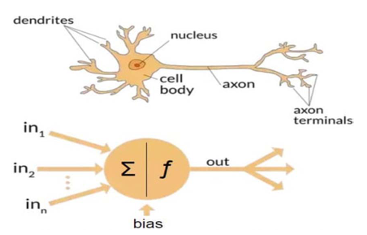
Wear Prediction using Machine Learning
Introduction In many industrial applications, wear is an inevitable and requires timely maintenance to minimize downtime of the production. Traditional wear prediction relies on experience and periodic inspections, but the complexity of wear makes accurate forecasting difficult. Machine learning (ML)...

Can we formulate lubricants using AI?
Introduction The selection of the right lubricant is crucial for ensuring optimal friction, lubrication, and wear performance in engineering systems. However, due to the diverse compositions of lubricants, identifying the most suitable formulation can be challenging. Artificial Neural Networks (ANNs)...

Explore a Powerful Web App for Journal Bearing Simulations
The Journal Bearing web application offers a robust platform for conducting mixed and elastohydrodynamic lubrication (EHL) simulations of Journal Bearings. Updated just two weeks ago, this tool is perfect for engineers, researchers, and students working in tribology and mechanical design....


Need for AI in Tribology
Introduction Artificial intelligence (AI) has impressive learning capabilities and rapid processing speeds which offers significant support to researchers by quickly identifying valuable patterns, trends, and associations within complex data. Tribology is the study of friction, wear, and lubrication, and is...
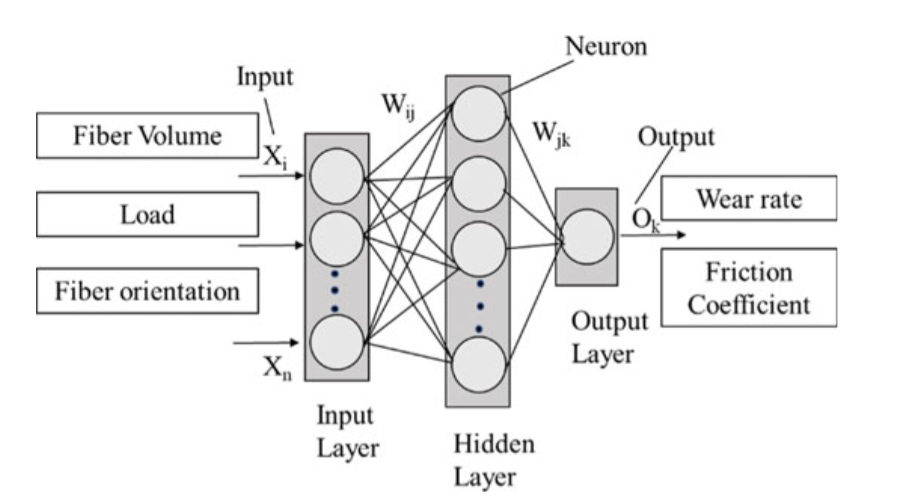
Artificial Intelligence in Tribology
Introduction Traditional ways of testing tribological properties are both time-consuming and costly. However, there's a promising solution that involves using Artificial Intelligence (AI) to make the process more efficient. This new method employs artificial neural networks for better analysis. Unlike...

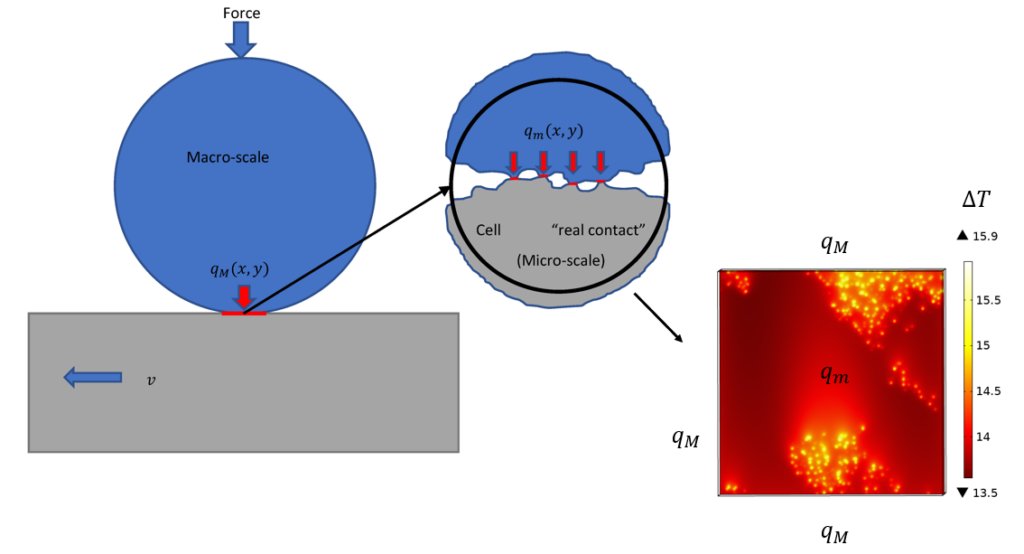
Unlocking the Secrets of Sliding Systems: A Multi-Scale Flash Temperature Model
Dear Readers, In the captivating world of mechanical engineering, where surfaces slide and interact, an important discovery promises to improve our understanding of friction, wear, and heat generation. Researchers have unveiled an innovative multi-scale flash temperature model that not only...
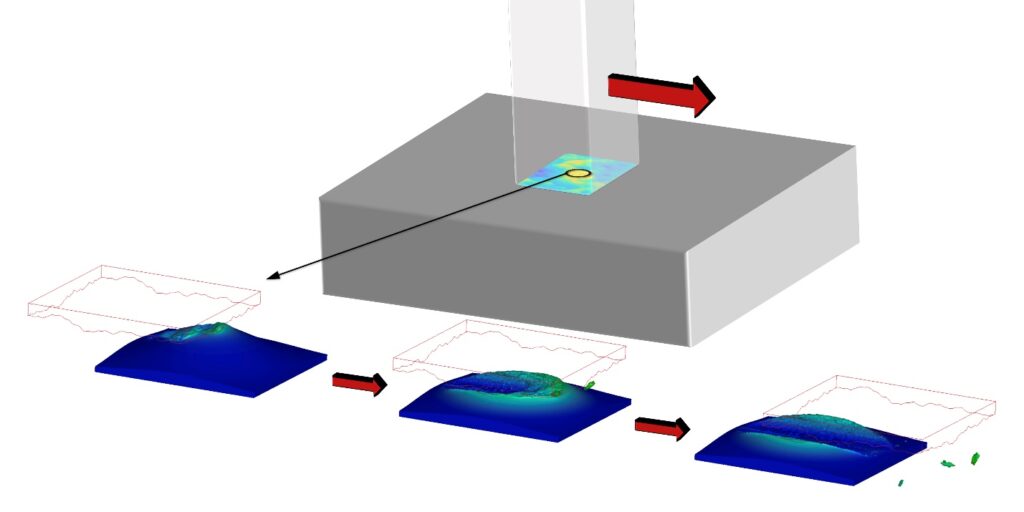
Understanding Wear in Micro-Scale Contacts: A Stress-State-Dependent Wear Model
Wear and tear are unavoidable consequences when surfaces come into contact, leading to performance degradation and reduced lifespan of various systems. To address this challenge, a groundbreaking study has developed a wear model that considers stress states and thermal effects...